





What's Happening?
The Florida Department of Health in Miami-Dade County has confirmed a locally acquired case of dengue fever. Health officials are coordinating with Miami-Dade County Mosquito Control to enhance surveillance, prevention, and control efforts against mosquito-borne
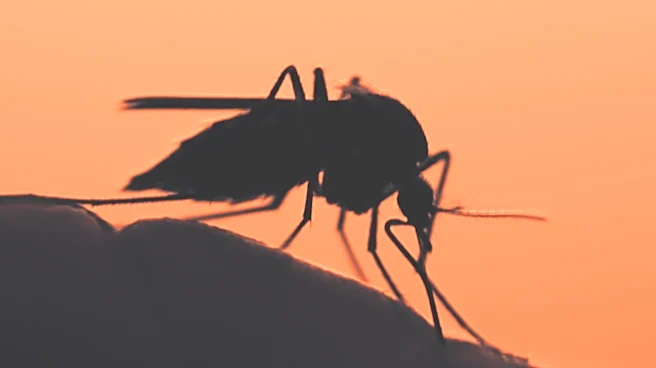
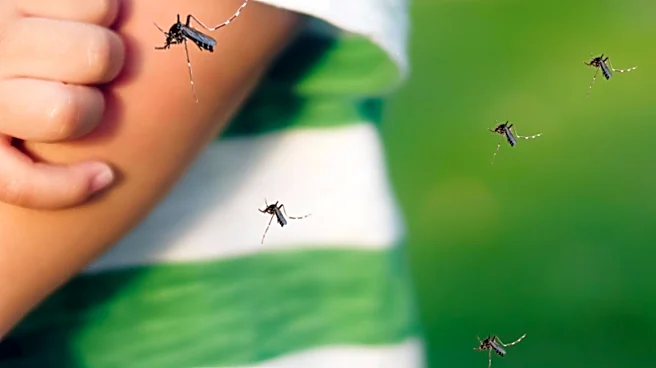
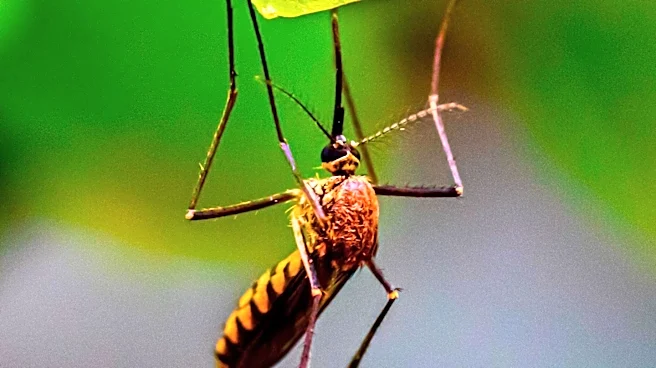
illnesses. Dengue, transmitted by the Aedes aegypti mosquito, can cause severe flu-like symptoms, including muscle and joint pain, fever, and rash. The agency is urging residents to take precautions against mosquito bites and continues to monitor other mosquito-borne diseases such as West Nile virus, eastern equine encephalitis, St. Louis encephalitis, malaria, and chikungunya. Residents are also encouraged to report dead birds to the Florida Fish and Wildlife Conservation Commission as part of the surveillance efforts.
Why It's Important?
The confirmation of a dengue case in Miami-Dade County highlights the ongoing public health challenge posed by mosquito-borne diseases in Florida. With the state's warm climate and frequent rainfall, conditions are ideal for mosquito breeding, increasing the risk of disease transmission. The health department's proactive measures aim to prevent further cases and protect public health. This situation underscores the importance of community awareness and participation in mosquito control efforts. The potential spread of dengue and other mosquito-borne illnesses could strain local healthcare resources and impact tourism, a significant economic driver for the region.
What's Next?
Health officials will continue to monitor the situation closely, maintaining surveillance and control measures to prevent further cases. Public health campaigns may be intensified to educate residents on mosquito bite prevention and the importance of eliminating standing water where mosquitoes breed. The Florida Department of Health may also collaborate with local governments and organizations to enhance community engagement in mosquito control efforts. Ongoing research and development of vaccines and treatments for mosquito-borne diseases remain critical to long-term public health strategies.