


What's Happening?
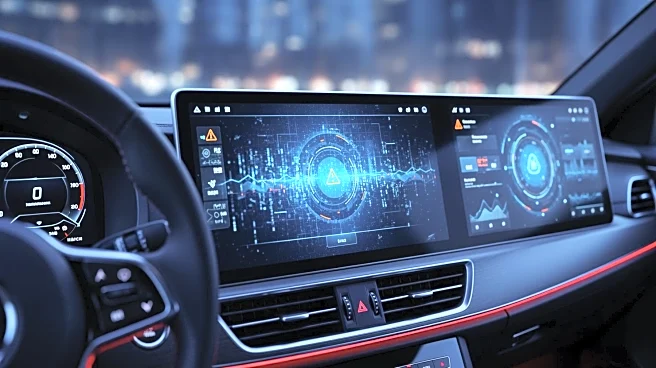
A cyberattack has targeted Intoxalock, a U.S. company that provides vehicle breathalyzer devices, leaving drivers across the country unable to start their vehicles. Intoxalock's devices, which require users to provide a negative alcohol breath sample
to start their cars, have been affected by the attack since March 14. The company has confirmed the incident and stated that it has temporarily paused some systems as a precaution. The attack has disrupted the calibration process necessary for the devices to function, causing delays and preventing drivers from starting their vehicles. Reports indicate that drivers from states including New York and Minnesota are experiencing these issues, with some vehicles stranded at auto shops due to the inability to perform necessary calibrations.
Why It's Important?
This cyberattack highlights the vulnerabilities in the technology-dependent systems that many drivers rely on for vehicle operation. The disruption caused by the attack not only affects individual drivers but also has broader implications for public safety and trust in digital vehicle systems. The inability to start vehicles can lead to significant personal and professional disruptions for affected individuals. Additionally, the incident underscores the importance of cybersecurity measures in protecting critical infrastructure and consumer technology. As more systems become interconnected, the potential impact of cyberattacks on daily life increases, emphasizing the need for robust security protocols.
What's Next?
Intoxalock has not provided a timeline for when its systems will be fully operational again, leaving affected drivers uncertain about when they will regain full use of their vehicles. The company has not disclosed the nature of the cyberattack, such as whether it involved ransomware or a data breach, nor has it indicated if any ransom demands were made. Moving forward, Intoxalock and similar companies may need to reassess their cybersecurity strategies to prevent future incidents. Regulatory bodies and industry stakeholders might also push for stricter security standards to protect consumers and maintain trust in vehicle technology.