




What's Happening?
A study published in the journal Annals of Tourism Research reveals that 25 former Antarctic tour guides quit their jobs due to growing concerns about the environmental impact of tourism on the fragile continent. These guides, interviewed by social anthropologist
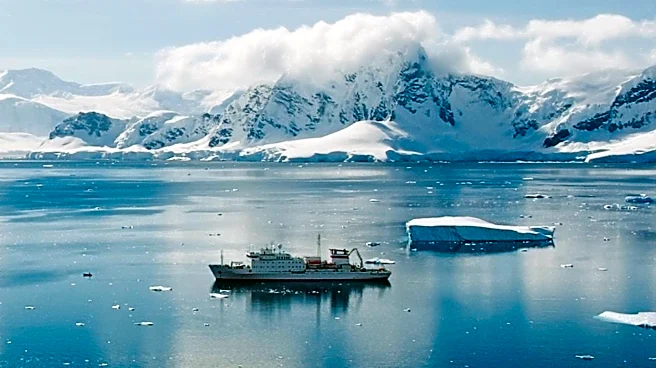
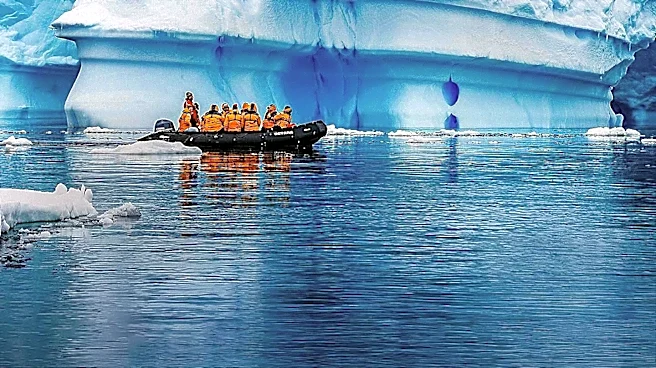
Zdenka Sokolickova and polar tourism researcher Liz Cooper from the University of Groningen, witnessed practices they deemed harmful, such as cruise ships breaking sea ice for guest landings and the constant presence of tourists near wildlife colonies. One guide recounted finding a penguin chick struggling in a boot hole left by a tourist, while another described a ship breaking an ice floe, isolating penguin chicks. The industry is experiencing rapid growth, with tourist numbers expected to reach 450,000 annually within a few years, leading to increased demand for guides and potential lowering of qualification standards. Many guides felt an internal conflict between their environmental values and the realities of their jobs, leading to their decision to leave.
Why It's Important?
The findings highlight the significant environmental toll of Antarctic tourism, which is described as the most carbon-intensive form of tourism globally. The rapid increase in visitors, projected to reach 450,000 annually, poses a substantial threat to Antarctica's vulnerable ecosystem and wildlife. The departure of experienced guides due to ethical concerns suggests a deeper problem within the industry regarding sustainable practices and environmental responsibility. This trend could lead to a less environmentally conscious guiding workforce, potentially exacerbating negative impacts. The study also underscores the psychological burden on individuals working in industries that conflict with their personal values, leading to difficult career changes. The carbon footprint associated with long-haul flights and cruise ships to Antarctica contributes significantly to global climate change, making this a critical issue for environmental conservation efforts.
What's Next?
The study suggests a need for the Antarctic tourism industry to re-evaluate its practices and prioritize environmental protection. Stakeholders, including tour operators, regulatory bodies, and tourists, may face increased pressure to adopt more sustainable approaches. There could be a push for stricter regulations on tourist activities, such as limiting visitor numbers, enforcing stricter guidelines for wildlife interaction, and promoting carbon-neutral travel options. The experiences of these former guides could inspire other individuals in similar industries to advocate for change or seek alternative, more environmentally aligned careers. Tourists are encouraged to research the environmental impact of their travel choices and consider lower-impact alternatives, potentially shifting demand towards more responsible tourism operators or local nature experiences.
Beyond the Headlines
The ethical dimensions of 'last-chance tourism' are brought to the forefront by this study. The desire to visit remote and fragile environments before they are irrevocably altered paradoxically contributes to their degradation. This raises questions about the moral responsibility of tourists and the industry to protect these unique places. The emotional toll on guides, who often develop deep connections with these environments, highlights the human cost of unsustainable practices. The study also touches upon the broader issue of individual agency versus systemic change in addressing climate change. While individual choices to quit high-carbon jobs have a significant personal impact, the larger challenge lies in transforming an entire industry. The comparison between Arctic and Antarctic tourism, noting the absence of indigenous human populations in Antarctica, emphasizes the unique vulnerability of its non-human inhabitants and the lack of a voice for the ecosystem itself.