
What's Happening?
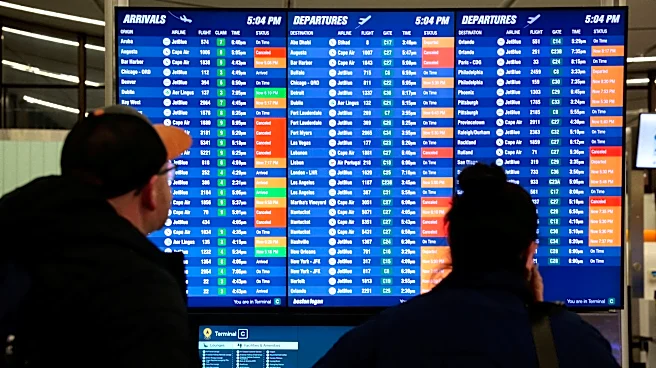
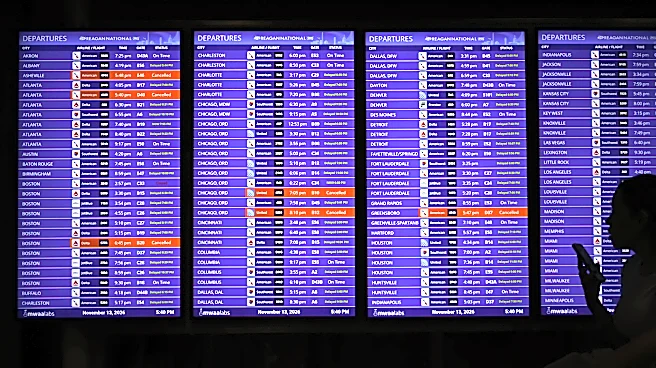
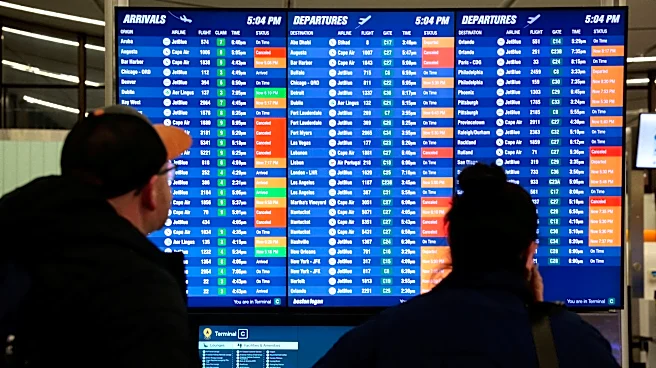
Miami International Airport (MIA) initiated a ground stop for most flights on November 13, 2026, due to a nationwide Federal Aviation Administration (FAA) system outage that began just before 4 p.m. The
airport is actively coordinating with airlines and safety partners to manage the evolving situation and support affected passengers. Travelers are strongly advised against coming to MIA unless they have confirmed their flight's operational status directly with their airline and received updated travel instructions. MIA's response includes airport-wide communications urging passengers to check with airlines, security monitoring by the Miami-Dade Sheriff's Office, and extended staffing by Miami-Dade Fire Rescue to ensure emergency response coverage. The FAA later lifted the nationwide ground stop, though restrictions on international arrivals remained in place. Residual delays are anticipated as airlines work to normalize operations.
Why It's Important?
The nationwide FAA system outage and subsequent ground stop at major hubs like Miami International Airport highlight the critical reliance of the U.S. air travel system on robust and uninterrupted technological infrastructure. Such disruptions can lead to significant economic impacts, including substantial losses for airlines due to canceled flights, rebooking costs, and passenger compensation. For travelers, the immediate consequence is widespread inconvenience, missed connections, and potential financial burdens from unexpected overnight stays or alternative travel arrangements. The event also underscores the vulnerability of interconnected systems, where a single point of failure can cascade into a national crisis affecting thousands of individuals and businesses. The incident prompts questions about the resilience and redundancy of essential national infrastructure.
What's Next?
Following the lifting of the nationwide ground stop, Miami International Airport will continue to work closely with the FAA, airlines, and safety partners to facilitate a safe and orderly resumption of flight operations. Passengers should expect residual delays as airlines adjust schedules and strive to restore normalcy. Travelers with upcoming flights are urged to monitor their airline's website or mobile app for the latest flight status and rebooking information. The FAA will likely conduct a thorough investigation into the cause of the system outage to prevent future occurrences, potentially leading to enhanced protocols or investments in air traffic control technology. Airlines will focus on re-accommodating stranded passengers and managing the logistical challenges of a disrupted flight schedule.
Beyond the Headlines
This incident extends beyond immediate travel disruptions, revealing deeper implications for national infrastructure security and public trust in air travel. The communication issues that led to the ground stop could prompt a re-evaluation of the FAA's communication systems and contingency plans for widespread technical failures. There may be increased scrutiny on the age and reliability of air traffic control technology, potentially accelerating modernization efforts. Furthermore, the event could influence public perception of air travel reliability, leading some to reconsider travel plans or demand greater transparency and accountability from aviation authorities. The incident also serves as a reminder of the complex interplay between technology, safety, and economic activity in the modern world.