







What's Happening?
Advocates for Community Health (ACH), leading a coalition of 565 organizations from all 50 states, D.C., and Puerto Rico, is urging Congress to pass the bipartisan 340B Rebate Model Delay Act (H.R. 10770). This legislation aims to postpone the implementation
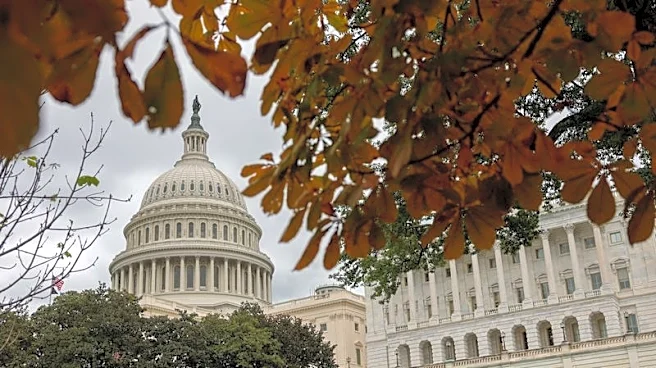
of the 340B Rebate Model Pilot Program for two years. The coalition, which includes 14 national organizations and nearly every state primary care association, seeks to preserve the current system of upfront prescription drug discounts for safety-net providers. The proposed rebate pilot, scheduled to begin on January 1, 2027, would require covered entities to obtain rebates for affected drugs instead of receiving upfront discounts. Representatives Rob Bresnahan (R-PA), Debbie Dingell (D-MI), Tracey Mann (R-KS), and Lois Frankel (D-FL) introduced the legislation, which was developed by ACH members. The coalition is calling on congressional leaders to include this act in any must-pass legislative vehicle before the end of the 119th Congress.
Why It's Important?
The proposed shift from upfront discounts to manufacturer rebates under the 340B Rebate Model Pilot Program carries significant financial and operational risks for safety-net providers across the U.S. These providers, including health centers, rely on these upfront discounts to offer essential medications and sustain other critical services in their communities. Replacing these discounts with a rebate process could tie up scarce resources, potentially hindering patient access to care and placing new administrative burdens on organizations already operating with limited funds. The broad support for the delay, evidenced by the coalition of 565 organizations, underscores a widespread concern that this change could divert resources away from direct patient care. Delaying the pilot would allow Congress more time to consider broader 340B reform proposals, ensuring that any changes to the program are thoroughly vetted and do not inadvertently harm vulnerable populations or the providers who serve them.
What's Next?
The immediate next step involves congressional leaders considering the inclusion of the 340B Rebate Model Delay Act (H.R. 10770) in a must-pass legislative vehicle before the conclusion of the 119th Congress. If passed, the implementation of the 340B Rebate Model Pilot Program would be delayed for two years, pushing its potential start date beyond January 1, 2027. This delay would provide a window for further discussion and potential reform of the 340B program. Stakeholders, including health centers, national organizations, and state primary care associations, will continue to advocate for the preservation of upfront discounts and a comprehensive approach to 340B reform. The outcome will significantly impact the financial stability of safety-net providers and their ability to deliver care to underserved communities across the United States.
Beyond the Headlines
The debate over the 340B Rebate Model highlights a deeper tension between cost-saving measures and the sustainability of healthcare access for vulnerable populations. While the rebate model aims to streamline drug pricing, its potential to disrupt the financial flow for safety-net providers raises ethical questions about who bears the burden of healthcare costs. The current system of upfront discounts allows these providers to manage their budgets more predictably, directly impacting their capacity to offer a wide range of services. A shift to rebates could create cash flow challenges, forcing providers to make difficult decisions about staffing, services, or even closures. This situation underscores the complex interplay between federal policy, pharmaceutical pricing, and the operational realities of community health organizations, ultimately affecting health equity and the well-being of millions of Americans who rely on these essential services.