



What's Happening?
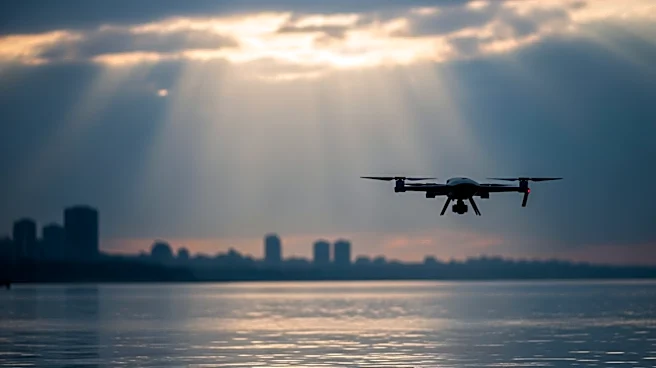
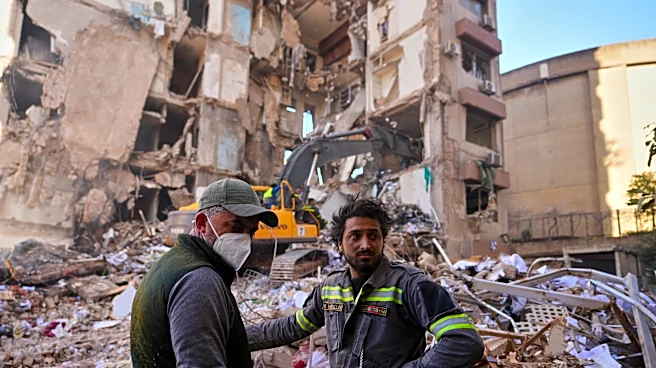
Russian drone strikes in the Ukrainian city of Odesa have resulted in the deaths of at least two individuals, with two others wounded. The attacks occurred overnight, targeting residential areas and causing damage to apartment buildings, houses, and a kindergarten.
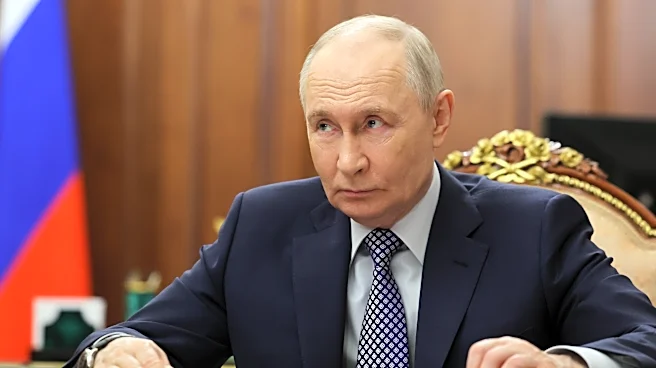
This incident comes just before a proposed ceasefire for Orthodox Easter, declared by Russian President Vladimir Putin. The Ukrainian Air Force reported that Russia launched 160 drones, of which 133 were intercepted. Meanwhile, Russia's Defense Ministry claimed to have shot down 99 Ukrainian drones across Russia and occupied Crimea. The ceasefire, intended as a humanitarian gesture, is set to last 32 hours over the Easter weekend.
Why It's Important?
The drone strikes in Odesa highlight the ongoing tensions and violence in the region, despite attempts at ceasefires. The proposed ceasefire for Orthodox Easter is significant as it represents a temporary halt in hostilities, potentially allowing for humanitarian relief and prisoner exchanges. However, previous ceasefire attempts have often been marred by violations from both sides, raising doubts about the effectiveness of such measures. The situation underscores the challenges in achieving a comprehensive settlement between Russia and Ukraine, with longstanding demands from Moscow remaining a key obstacle.
What's Next?
The ceasefire is expected to begin at 4 p.m. on Saturday and last until the end of Sunday. Both Russia and Ukraine have expressed readiness to observe the ceasefire, although skepticism remains due to past violations. Discussions regarding a possible prisoner exchange over the Easter holiday are ongoing, with both sides reportedly working on exchanges. The outcome of these negotiations could provide a rare positive development amidst the prolonged conflict. Continued monitoring of the ceasefire's implementation and any subsequent diplomatic efforts will be crucial in assessing the potential for future peace talks.