









What's Happening?
The European Union's new Entry/Exit System (EES), designed to enhance border security by recording biometric data such as fingerprints and facial recognition for non-EU nationals, is causing significant delays at airports. The system, which replaces the
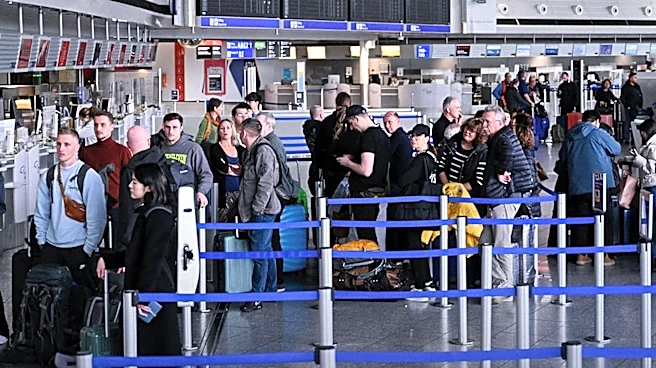
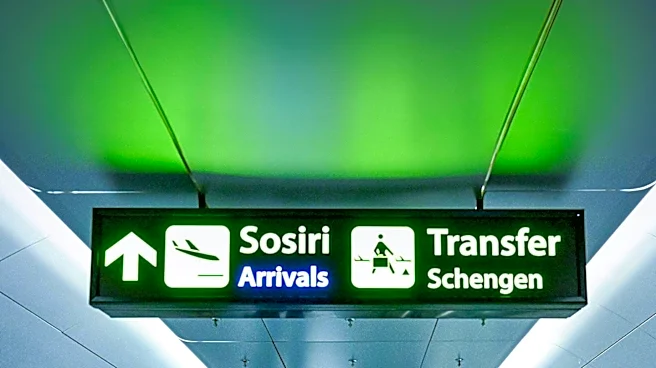
traditional passport stamp, has led to queues of up to five hours at peak times in Schengen-area airports. The inconsistent rollout of the system means that some airports have self-service kiosks, while others rely on manual processing by border officers. This has resulted in a patchwork experience for travelers, with some airports like Rome suspending biometric collection to manage traffic. The Airports Council International Europe and other industry groups have requested the European Commission to allow full suspension of the system during peak congestion to alleviate the situation.
Why It's Important?
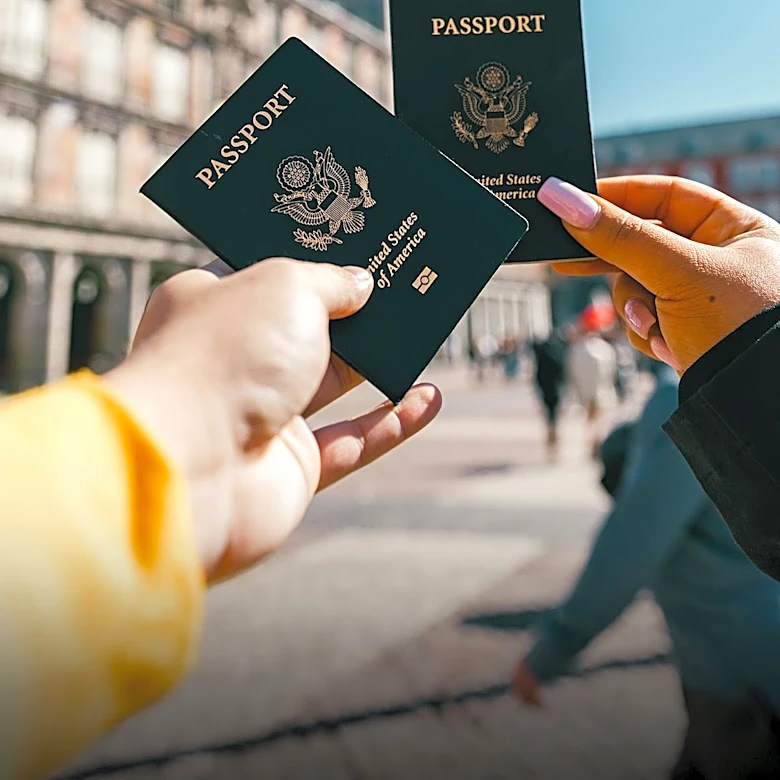
The implementation of the EES is significant as it represents a major shift in how border security is managed in the EU, impacting millions of travelers, including those from the U.S. The delays caused by the system could have broader implications for the tourism industry, potentially affecting the competitiveness of European destinations. The situation highlights the challenges of implementing large-scale technological systems without adequate infrastructure and staffing. The delays not only inconvenience travelers but also pose operational challenges for airlines and airports, which may face increased costs and logistical issues. The situation underscores the need for better planning and coordination in the rollout of such systems to avoid negative impacts on international travel and commerce.
What's Next?
If the delays persist, there may be increased political pressure on the European Commission to reconsider the implementation strategy of the EES. Airports may continue to suspend biometric data collection informally to manage congestion, and there could be calls for a more standardized approach across the Schengen area. Travelers are advised to plan for longer processing times and check the specific procedures at their destination airports. The situation may prompt further discussions on balancing security enhancements with the practicalities of international travel, potentially leading to adjustments in the system's deployment or operational guidelines.