






What's Happening?
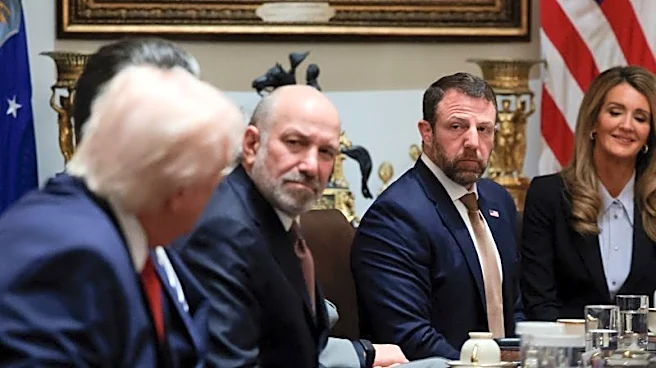
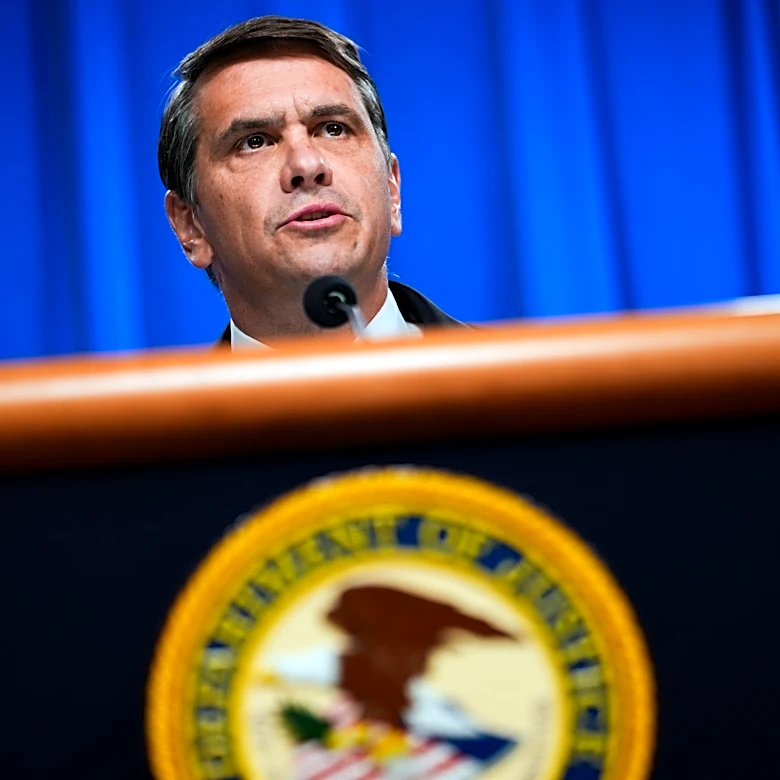
Homeland Security Secretary Markwayne Mullin is set to testify before the Senate appropriations subcommittee on homeland security regarding the agency's budget. This comes amid heightened scrutiny of the Trump administration's immigration enforcement
strategies and preparations for the upcoming World Cup. Mullin, appointed by President Trump following the dismissal of his predecessor Kristi Noem, is expected to address concerns about the potential withdrawal of U.S. Customs and Border Protection officers from airports in sanctuary cities, a move that could disrupt international travel. Additionally, Mullin will face questions about a recent policy change by U.S. Citizenship and Immigration Services requiring most green card applicants to apply from their home countries, which has caused confusion among immigration lawyers and their clients.
Why It's Important?
The Senate hearing is significant as it addresses the ongoing debate over immigration enforcement funding and policies under the Trump administration. The potential withdrawal of CBP officers from airports in sanctuary cities could have major implications for international travel, especially with the World Cup approaching. The policy shift requiring green card applicants to apply from abroad marks a departure from previous practices, potentially affecting thousands of immigrants and their families. These developments highlight the broader tensions between federal immigration policies and local jurisdictions, as well as the challenges faced by the travel industry and immigrant communities.
What's Next?
Mullin is scheduled to testify in the House following his Senate appearance, where he will likely face further questioning on the DHS budget and immigration policies. The Senate's decision on funding immigration enforcement agencies could set a precedent for future budget negotiations, particularly if it bypasses Democratic support. The travel industry and immigrant advocacy groups are expected to closely monitor the outcomes of these hearings, as they could influence future policy decisions and enforcement practices.