







What's Happening?
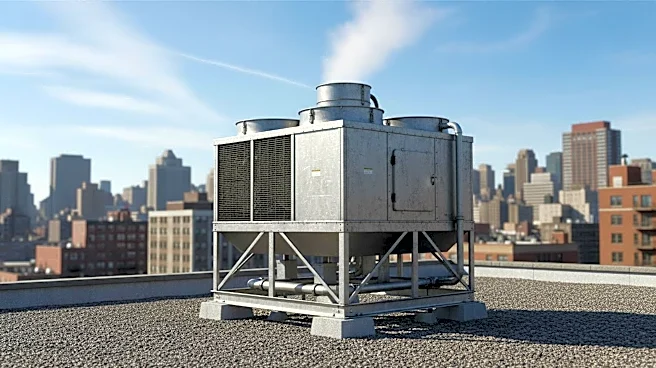
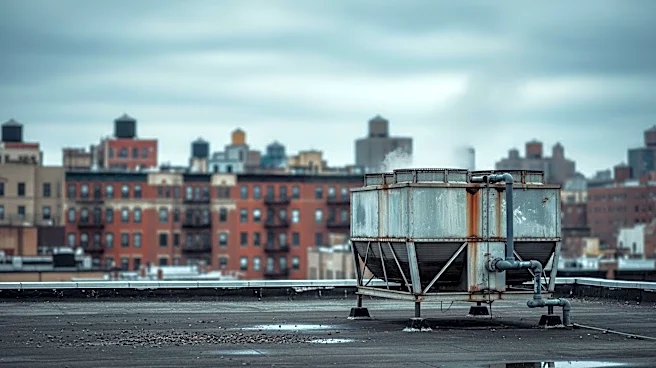
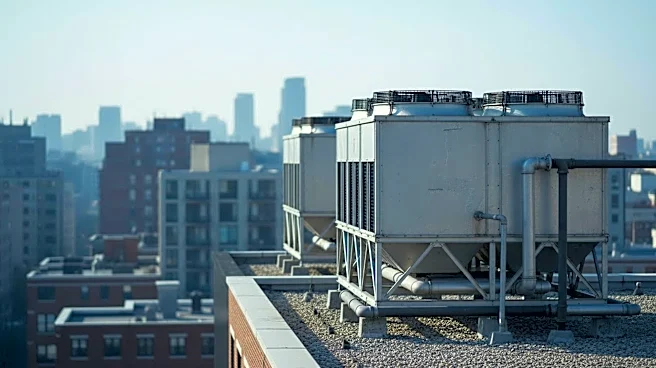
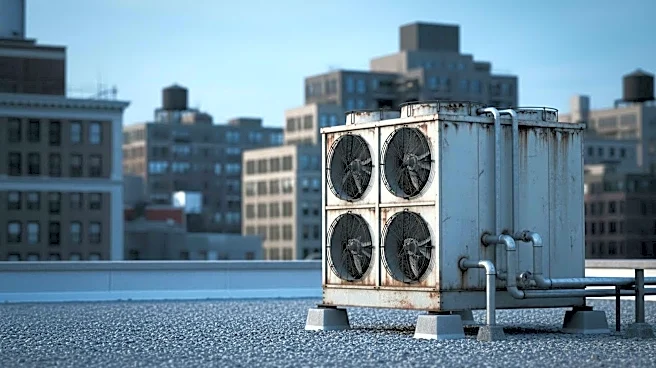
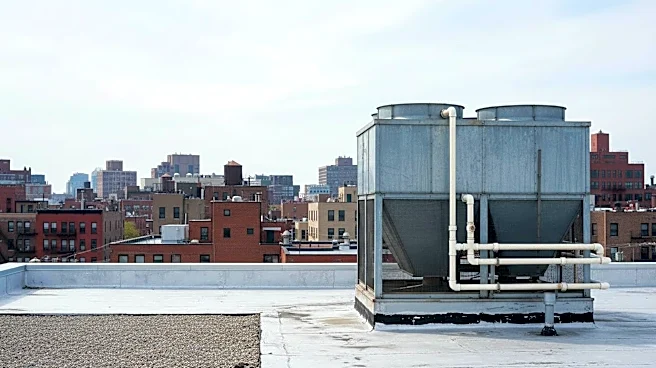
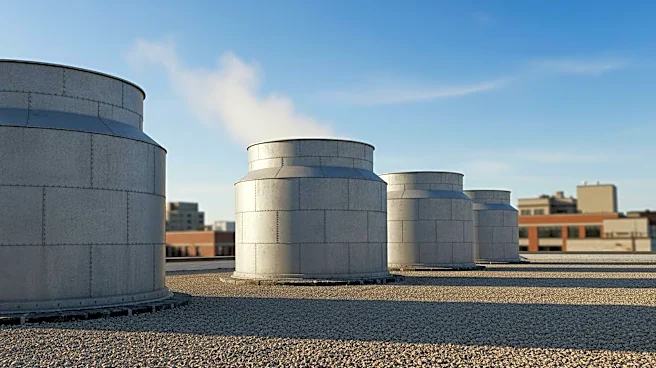
New York City is implementing a new strategy to combat the spread of Legionnaires' Disease by publicly identifying buildings with cooling towers that test positive for Legionella bacteria. This decision follows an outbreak on the Upper East Side that has
infected 28 people and hospitalized 21. The city is requiring immediate remediation of affected cooling towers to prevent further exposure. Mayor Zohran Kwame Mamdani emphasized the need for urgency and transparency in addressing the public health threat. The city has deployed over 100 health department workers to inspect cooling towers in the affected areas, aiming to accelerate the response and reduce the risk of ongoing exposure.
Why It's Important?
The city's proactive approach to managing the Legionnaires' outbreak highlights the critical role of transparency and rapid response in public health emergencies. By publicly identifying affected buildings, the city aims to protect residents and prevent further infections. This strategy may influence future public health policies and set a precedent for handling similar outbreaks. The outbreak underscores the importance of maintaining and monitoring building systems to prevent the growth of harmful bacteria. The city's actions could lead to increased regulatory oversight and changes in building maintenance practices, impacting property owners and management companies.
What's Next?
The city will continue testing cooling towers and release the addresses of buildings with positive results. Health officials are urging residents to seek medical attention if they experience symptoms of Legionnaires' Disease. The administration's focus on transparency and rapid response may lead to increased public awareness and engagement in preventing future outbreaks. As the situation develops, the city may implement additional measures to ensure the safety and well-being of its residents.