






What's Happening?
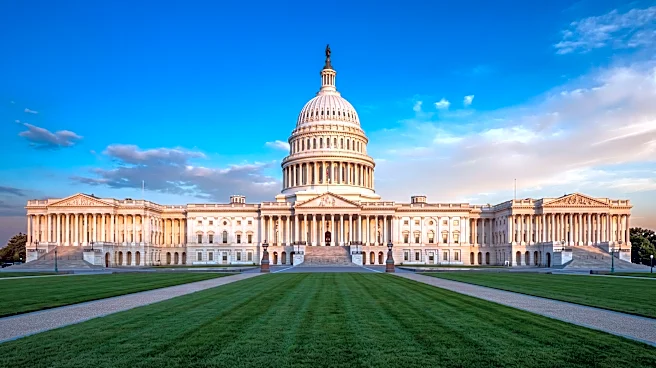
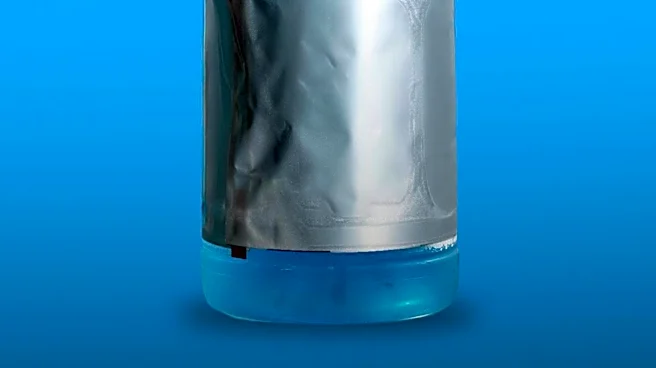
Five U.S. Senators have reintroduced legislation aimed at prohibiting toxic substances from being used in plastic beverage containers. The 'Banning Toxics from Plastic Bottles Act' was co-sponsored by Democratic Senators Peter Welch of Vermont, Jeff Merkley
of Oregon, Corey Booker of New Jersey, Chris Van Hollen of Maryland, and Independent Senator Bernie Sanders of Vermont. The bill also proposes the creation of a fund to assist communities in preventing and mitigating the consequences of plastic waste. Furthermore, it mandates the U.S. Environmental Protection Agency (EPA) to prioritize rural and historically underserved communities when distributing pollution remediation and restoration grants. The substances targeted by this bill have been identified by the U.S. Plastics Pact Group as problematic or unnecessary due to their adverse effects on human and environmental health, high likelihood of littering, ability to be replaced, hindrance to waste processing, or inability to be recycled, reused, or composted.
Why It's Important?
This legislation is significant because it addresses both environmental and public health concerns associated with plastic pollution. The presence of harmful chemicals in plastic beverage bottles poses risks to human health, with links to negative health outcomes including cancer, as highlighted by Senator Merkley. The bill also aims to reduce the environmental burden of plastic waste, which disproportionately affects rural and lower-income communities. By eliminating toxic chemicals, the legislation could improve the safety of beverages and enhance recycling efforts, as these chemicals often hinder the recycling process. The focus on supporting underserved communities through EPA grants underscores an effort to address environmental justice, ensuring that communities most impacted by pollution receive necessary resources for remediation and prevention. This move reflects a growing legislative push to hold corporations accountable for the environmental and health impacts of their products.
What's Next?
The reintroduced 'Banning Toxics from Plastic Bottles Act' will now proceed through the legislative process in the U.S. Senate. It will likely undergo committee review, debates, and potentially amendments before a vote. If passed by the Senate, it would then move to the House of Representatives for consideration. The bill's proponents, including environmental organizations like the Ocean Conservancy, will likely continue to advocate for its passage, emphasizing its benefits for public health and environmental protection. Conversely, industries that rely on the targeted chemicals in plastic production may lobby against the bill, citing potential economic impacts or challenges in reformulation. The EPA's role in prioritizing grant distribution to specific communities will also be a key area of focus if the bill becomes law, requiring the agency to develop clear guidelines and processes for implementation.
Beyond the Headlines
The reintroduction of this bill highlights a broader societal shift towards scrutinizing the chemical composition of everyday products and demanding greater corporate responsibility for environmental and health impacts. It underscores the ethical dimension of product manufacturing, questioning the balance between corporate profits and public welfare. The legislation also touches upon the long-term economic implications of plastic pollution, including the costs associated with cleanup, health issues, and the loss of natural resources. By pushing for the removal of problematic chemicals, the bill could spur innovation in the plastics industry, encouraging the development of safer, more sustainable materials and manufacturing processes. This legislative effort is part of a larger global movement to address plastic pollution, reflecting a growing recognition that current practices are unsustainable and require systemic changes.