






What's Happening?
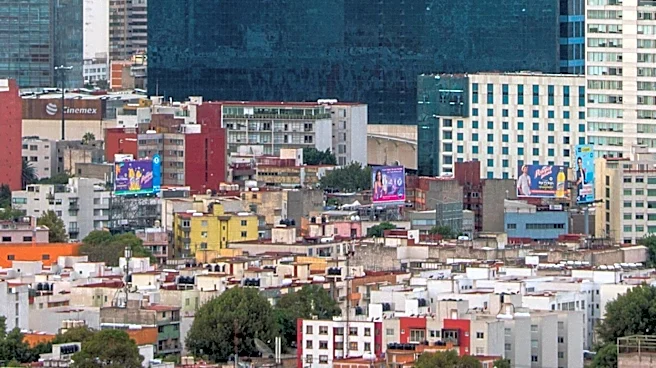
Mexico City's neighborhoods, particularly Roma Norte, Condesa, and Hipódromo, are experiencing significant transformation due to an influx of digital nomads. These remote workers are drawn to the city's culture, climate, connectivity, and relatively lower
cost of living, leading to increased demand for furnished apartments and short-term accommodations. This trend is causing property values and rents to rise, making it harder for long-term residents whose incomes are tied to the local economy to afford living in these areas. The phenomenon extends beyond housing, as traditional neighborhood businesses are being replaced by establishments like restaurants, fitness studios, specialty coffee shops, and coworking spaces that cater to an international clientele. This shift is altering the visual and economic landscape of these neighborhoods, creating a more uniform aesthetic often referred to as 'AirSpace,' characterized by elements like exposed brick, polished concrete, and pale wood, which makes these areas feel familiar to mobile professionals but diminishes their local distinctiveness.
Why It's Important?
The rise of digital nomadism in Mexico City highlights a broader global trend of 'transnational gentrification,' where the arrival of high-earning, globally mobile workers can bring investment but also push property values beyond local wages. This process can lead to the displacement of long-term residents and the erosion of local culture and social infrastructure. While new investment can stimulate certain sectors, the economic benefits often do not reach the communities most affected by rising costs. The transformation of residential properties into short-term rentals and the replacement of local businesses with those catering to an international clientele can hollow out the authentic character of neighborhoods. This situation raises critical questions about who benefits from urban development and how cities can manage the spatial consequences of a globalized workforce to ensure equitable outcomes for all residents.
What's Next?
The ongoing transformation in Mexico City suggests a continued need for policy responses to address the spatial consequences of transnational gentrification. While restrictions on short-term rentals can help protect housing stock, they alone may not create affordable homes or preserve local commerce. The challenge lies in developing architectural and planning solutions that move beyond reactive measures to proactively create inclusive urban environments. This could involve strategies to support local businesses, implement mixed-income housing policies, and foster community-led development initiatives. The long-term impact will depend on how local authorities and communities adapt to these demographic and economic shifts, striving to balance the appeal for international residents with the needs and well-being of existing populations.
Beyond the Headlines
The aesthetic shift observed in Mexico City, where neighborhoods adopt a uniform 'AirSpace' visual language, points to a deeper cultural implication of gentrification. This homogenization can lead to a loss of local identity and distinctiveness, as places become increasingly interchangeable to cater to a globalized taste. The comfort and familiarity offered by this aesthetic for digital nomads come at the cost of eroding the unique cultural fabric that initially attracted them. This raises ethical questions about the responsibility of mobile professionals and urban developers to preserve the cultural heritage and social diversity of the cities they inhabit. The long-term consequence could be a global landscape of urban centers that, while efficient and comfortable for a mobile elite, lack the unique character and community spirit that make them vibrant and livable for everyone.