




What's Happening?
The U.S. Department of Energy (DOE) has announced $1.9 billion in federal grants to support 31 projects across 26 states aimed at upgrading the nation's power grid. These projects are projected to add 23 gigawatts (GW) of additional capacity, sufficient
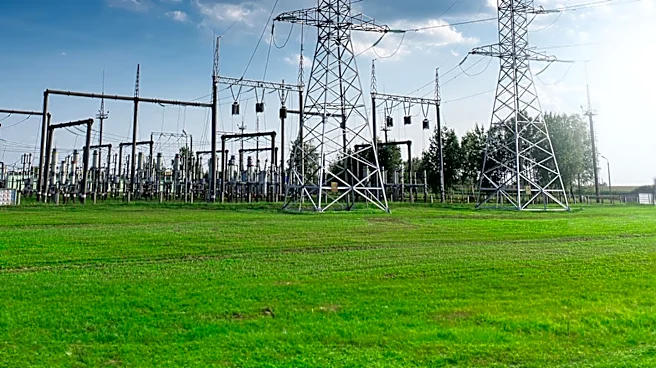
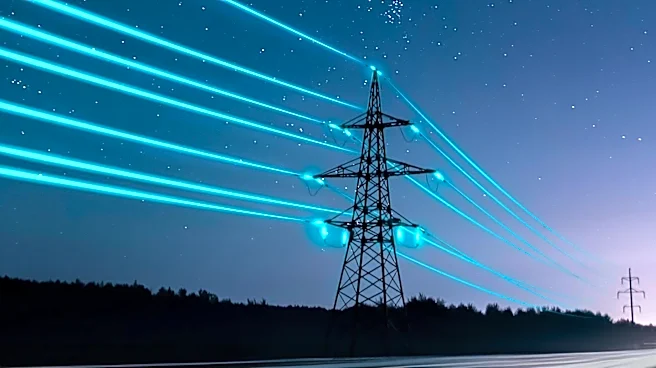
to power 16 million homes. The initiatives will focus on reconductoring or rebuilding transmission lines and deploying Grid-Enhancing Technologies (GETs) across nearly 21,000 miles. By maximizing existing rights-of-way, these projects intend to alleviate congestion bottlenecks, improve reliability, and reduce operating costs for utilities and grid operators, ultimately lowering electricity bills for approximately 100 million Americans. The grants are part of the DOE’s Speed to Power through Accelerated Reconductoring and other Key Advanced Transmission Technology Upgrades (SPARK) initiative, launched in March, and are enabled by the bipartisan Infrastructure Investment and Jobs Act (IIJA) passed in 2021.
Why It's Important?
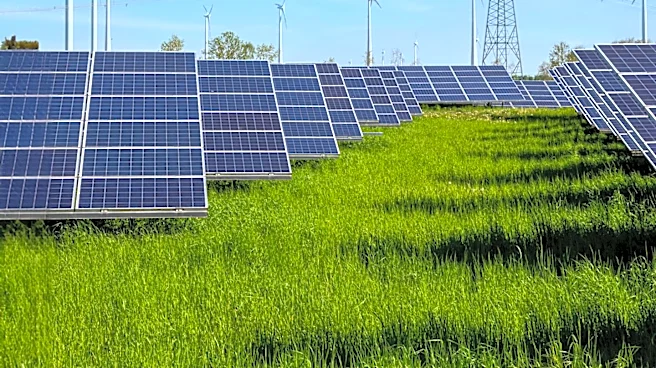
This significant federal investment is crucial for modernizing the U.S. power grid, which faces increasing demands and vulnerabilities. By enhancing transmission infrastructure and deploying advanced technologies, the projects will improve grid resilience against extreme weather events and cyber threats, ensuring more reliable electricity delivery. The focus on reducing congestion and lowering operating costs directly benefits consumers through potentially reduced electricity bills. Furthermore, these upgrades are essential for integrating more renewable energy sources into the grid, supporting the nation's clean energy transition goals. The bipartisan nature of the supporting legislation, the IIJA, highlights a broad consensus on the necessity of these infrastructure improvements, signaling a unified effort to strengthen national energy security and economic stability.
What's Next?
The selected projects, ranging from small utilities to major energy providers like Duke Energy and the New York Power Authority, are expected to commence implementation soon. The DOE prioritized projects that can come online quickly, indicating an expedited timeline for these upgrades. State lawmakers are increasingly mandating that electric utilities consider advanced transmission technologies, suggesting a growing trend towards modernizing grid infrastructure across the country. The successful execution of these projects will serve as a blueprint for future grid enhancements and could encourage further investment in GETs. The ongoing collaboration between federal agencies, state governments, and utility companies will be critical in ensuring these upgrades are completed efficiently and effectively, contributing to a more robust and sustainable national power grid.
Beyond the Headlines
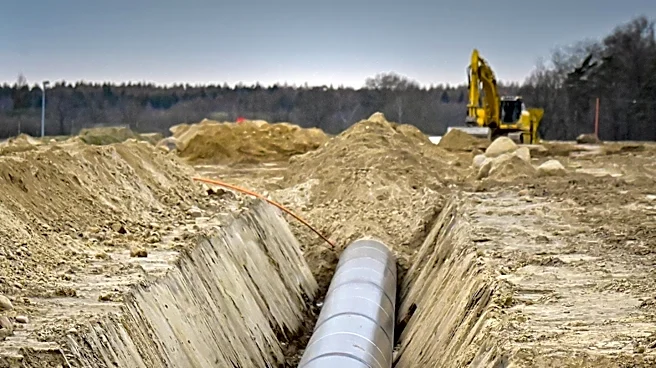
Beyond the immediate technical and economic benefits, this initiative represents a strategic shift in how the U.S. approaches its energy infrastructure. By focusing on optimizing existing rights-of-way and deploying GETs, the projects aim to avoid the lengthy and often contentious processes associated with new greenfield construction. This approach could set a precedent for future infrastructure development, emphasizing efficiency and minimal environmental impact. The bipartisan support for these measures also underscores a growing recognition that grid modernization is a shared national priority, transcending political divides. This investment is not just about electricity; it's about laying the groundwork for a more resilient, efficient, and sustainable energy future that can adapt to evolving demands and environmental challenges, ultimately impacting public health, economic competitiveness, and national security.