





What's Happening?
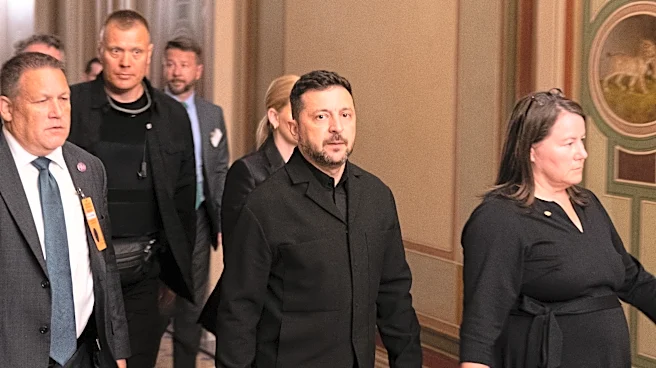
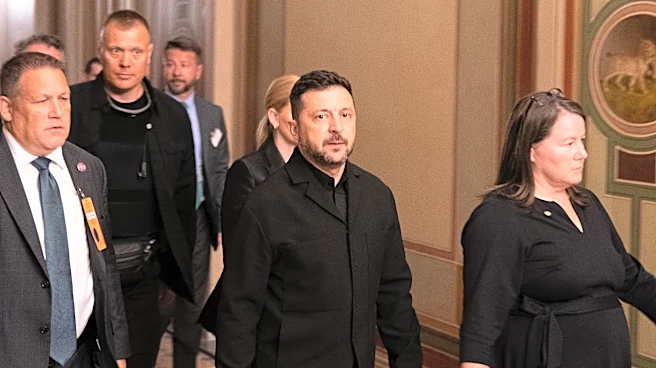
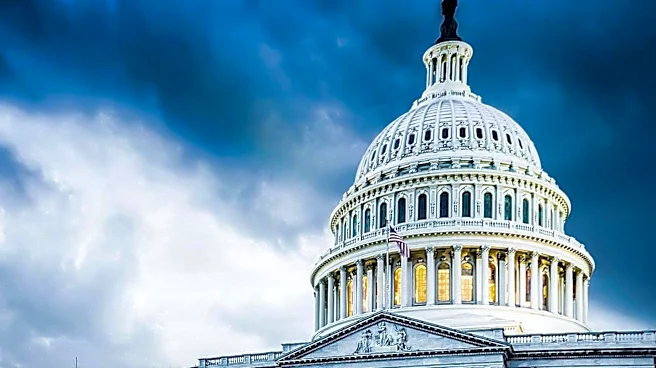
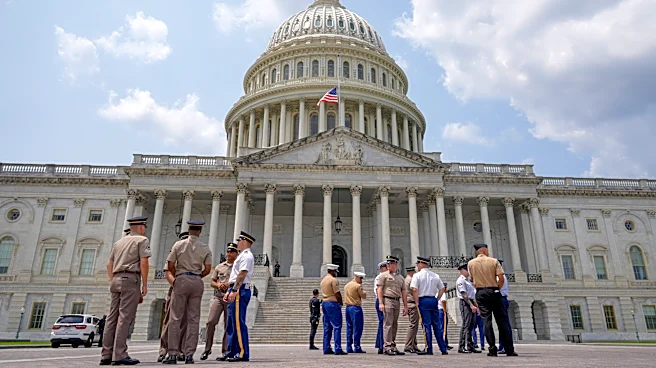
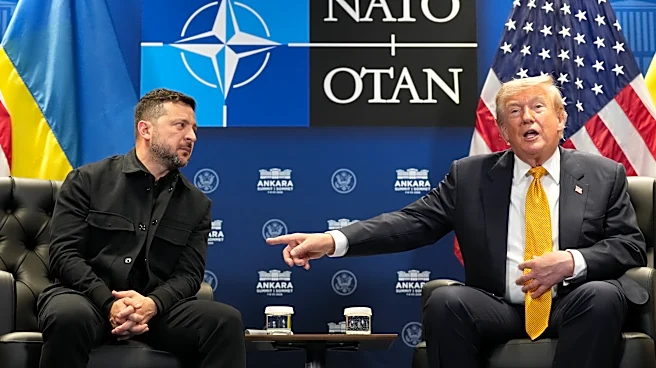
The U.S. Senate has taken initial steps towards passing a comprehensive Russian sanctions bill, coinciding with a visit from Ukrainian President Volodymyr Zelenskyy. The bill aims to penalize countries purchasing Russian oil and gas, with a procedural
vote passing 86-12. Zelenskyy, attending the session, emphasized the importance of the sanctions as a moral signal against Russian aggression. The legislation, negotiated by the late Sen. Lindsey Graham and Sen. Richard Blumenthal, includes provisions for tariffs on major Russian oil purchasers and sanctions on Russian leaders and financial institutions. The bill also allows for presidential waivers under certain conditions.
Why It's Important?
The advancement of this sanctions bill is a critical step in the U.S.'s strategy to support Ukraine and pressure Russia economically. By targeting countries that continue to trade with Russia, the bill seeks to weaken Russia's financial capabilities and influence. The presence of President Zelenskyy underscores the international significance of the legislation and the U.S.'s commitment to supporting Ukraine. The bill's passage could have substantial geopolitical implications, potentially affecting global energy markets and diplomatic relations.
What's Next?
The Senate will continue to debate the bill, with potential amendments addressing concerns over presidential tariff powers. The outcome of these discussions will determine the final form of the legislation. If passed, the bill could lead to increased tensions with countries affected by the sanctions, necessitating diplomatic efforts to manage international relations. The U.S. administration will need to navigate these complexities while ensuring the sanctions effectively support Ukraine and deter Russian aggression.