
What's Happening?
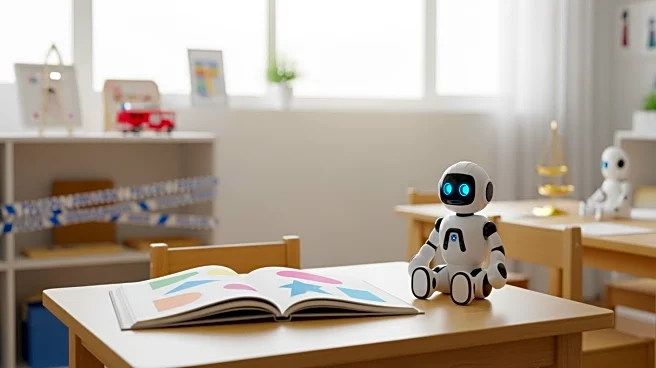
Finland is addressing the challenge of fake news by incorporating media literacy education into its national curriculum for children as young as three years old. This initiative aims to equip students
with the skills to analyze media and recognize disinformation, particularly in light of increased Russian disinformation campaigns following Finland's NATO membership. Teachers are now expanding their curriculum to include artificial intelligence literacy, teaching students how to identify AI-generated content. This effort is part of a broader strategy to enhance civic skills and protect democracy by fostering a well-informed public.
Why It's Important?
The integration of media and AI literacy into education is crucial in an era where misinformation can easily spread and influence public opinion. By starting education at a young age, Finland is preparing future generations to critically assess information and resist propaganda. This approach not only strengthens individual critical thinking skills but also contributes to national security by reducing the impact of foreign disinformation campaigns. As AI technology evolves, the ability to discern real from fake content will become increasingly important, making Finland's proactive educational strategy a model for other nations.
What's Next?
As AI technology continues to develop, Finland's educational system may further adapt to address new challenges in media literacy. The success of this program could inspire other countries to adopt similar strategies, potentially leading to international collaborations in combating misinformation. Additionally, ongoing advancements in AI detection tools may complement educational efforts, providing more resources for identifying and managing fake content. The Finnish model may also prompt discussions on the role of education in safeguarding democracy and the importance of media literacy in the digital age.