




What's Happening?
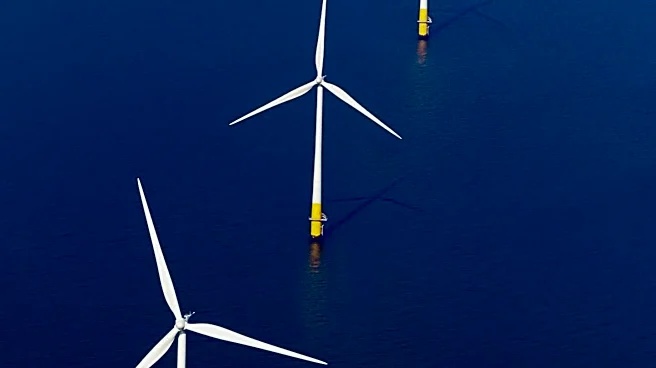
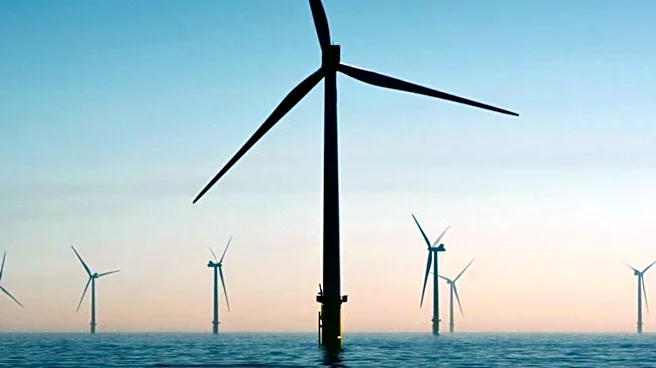
Offshore wind farms are emerging as unexpected havens for marine life, providing habitats for species such as oysters, lobsters, and seals. The structures, anchored to the seabed, are often surrounded by rocks or rubble to prevent erosion, creating crevices
that serve as nurseries for marine organisms. This accidental colonization offers a unique opportunity for biodiversity conservation, as these energy projects can mitigate some negative ecological impacts. The scale of the offshore wind industry allows for large-scale habitat restoration efforts, potentially aiding in the recovery of marine ecosystems damaged by human activity.
Why It's Important?
The dual role of offshore wind farms as energy producers and biodiversity havens highlights the potential for integrating ecological considerations into industrial projects. As the demand for renewable energy grows, these structures could play a significant role in marine conservation, supporting species recovery and enhancing ecosystem resilience. This development underscores the importance of innovative approaches to environmental challenges, where industrial infrastructure can contribute positively to ecological goals. The findings may influence future policies and practices in the renewable energy sector, promoting sustainable development that benefits both the environment and society.