








What's Happening?
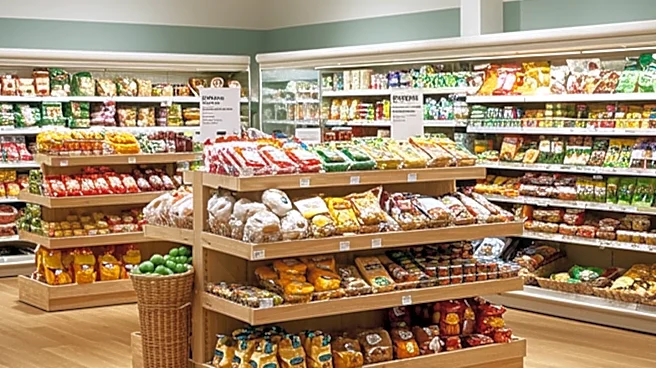
A recent study published in JAMA Network Open has established a connection between the consumption of ultra-processed foods and the reward circuitry in children's brains, leading to subsequent weight gain. Ultra-processed foods are characterized by numerous
additives and ingredients such as preservatives, emulsifiers, sweeteners, and artificial colors and flavors, which contribute to their extended shelf life. Examples include sugary items like candies, cookies, and sweetened yogurts, as well as processed meats, frozen meals, and certain beverages. The study found that images of ultra-processed foods, such as cookies or fries, triggered a strong reaction in the brain reward systems of children who consumed more of these foods. This neurological response led to increased cravings and consumption of ultra-processed foods, ultimately resulting in higher body fat and wider waists among these children.
Why It's Important?
This research highlights a significant public health concern, particularly for the U.S. population, where ultra-processed foods are widely available and frequently consumed. The findings suggest that these foods may not only contribute to weight gain through their nutritional content but also by altering brain chemistry, making it harder for children to make healthy dietary choices. This has implications for the rising rates of childhood obesity and related health issues like Type 2 diabetes, heart disease, and high cholesterol. The study underscores the potential for ultra-processed foods to create a cycle of craving and consumption, impacting long-term health outcomes and placing a greater burden on the healthcare system. Understanding this neurological link is crucial for developing effective public health strategies and interventions aimed at promoting healthier eating habits among children.
What's Next?
The findings of this study are likely to prompt further research into the neurological effects of ultra-processed foods on children and adults. Public health organizations and policymakers may consider these results when developing dietary guidelines and educational campaigns. There could be increased calls for clearer labeling of ultra-processed foods and potentially regulations on marketing these products to children. Parents and caregivers are encouraged to be more mindful of their children's diets, prioritizing whole, minimally processed foods. The food industry might face pressure to reformulate products to reduce additives and artificial ingredients, or to offer more nutritious alternatives. Educational initiatives focusing on the impact of ultra-processed foods on brain health and weight management could become more prevalent in schools and communities.
Beyond the Headlines
The implications of this study extend beyond immediate health concerns, touching upon ethical and societal dimensions. The potential for ultra-processed foods to 'rewire' children's brains raises questions about corporate responsibility in food production and marketing. If these foods are designed to be highly palatable and addictive, it could be argued that they exploit natural human reward systems, particularly in vulnerable populations like children. This could lead to discussions about the need for stricter regulations similar to those applied to other addictive substances. Furthermore, the study highlights a broader cultural shift towards convenience foods and away from traditional home cooking, which may have long-term consequences for public health and food literacy. Addressing this issue may require a multi-faceted approach involving education, policy changes, and a re-evaluation of societal food norms.