







What's Happening?
Congressman Tom McClintock, representing California's Fifth Congressional District, recently engaged in a comprehensive discussion with Nick Papagni, known as 'The Ag Meter,' focusing on critical issues facing California. The conversation highlighted
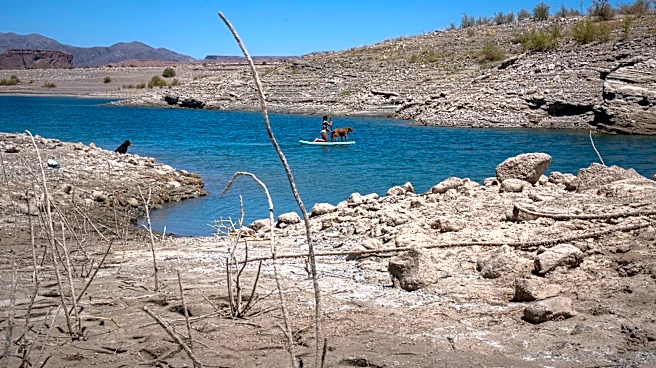
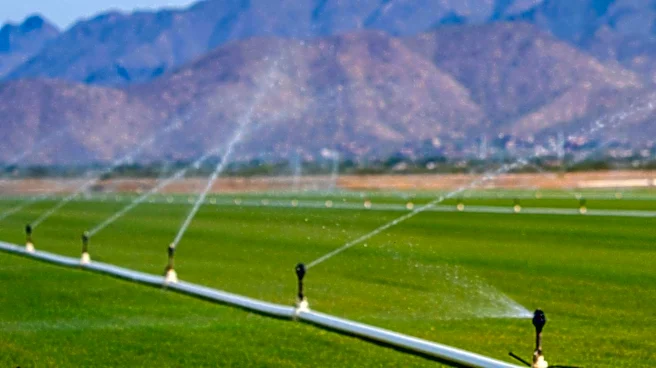
the state's affordability crisis, water shortages, and regulatory pressures on agriculture. McClintock emphasized that California's high fuel and electricity prices, housing shortages, and taxes are driving residents to leave the state. He argued that water shortages are exacerbated by inadequate storage infrastructure, advocating for projects like raising Shasta Dam and expanding reservoirs. Additionally, McClintock addressed the regulatory challenges faced by farmers and ranchers, stressing the need for policies that support rather than hinder these industries. The discussion also touched on wildlife management and election integrity, with McClintock advocating for regulated hunting and stronger voter identification measures.
Why It's Important?
The issues discussed by Congressman McClintock are pivotal for California's future, particularly for its agricultural sector, which is a significant part of the state's economy. Water management and infrastructure are crucial for sustaining agriculture, urban areas, and energy production. The regulatory environment directly impacts the cost and viability of farming, affecting food supply and prices. McClintock's emphasis on election integrity and public confidence reflects broader national debates on voting rights and election security. The outcomes of these discussions could influence policy decisions that affect not only California but also set precedents for other states facing similar challenges.
What's Next?
As California approaches another election cycle, the issues raised by McClintock are likely to be central to political debates and voter considerations. Stakeholders, including policymakers, farmers, and environmental groups, may engage in discussions and advocacy efforts to influence future legislation and infrastructure projects. The state's approach to water management, regulatory policies, and election procedures will be closely watched, with potential implications for economic growth, environmental sustainability, and public trust in governance.