


What's Happening?
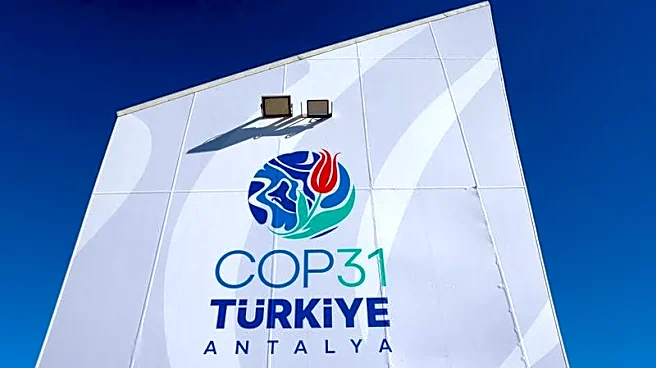
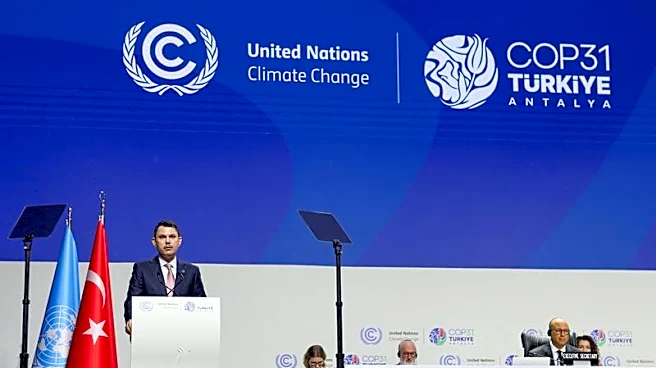
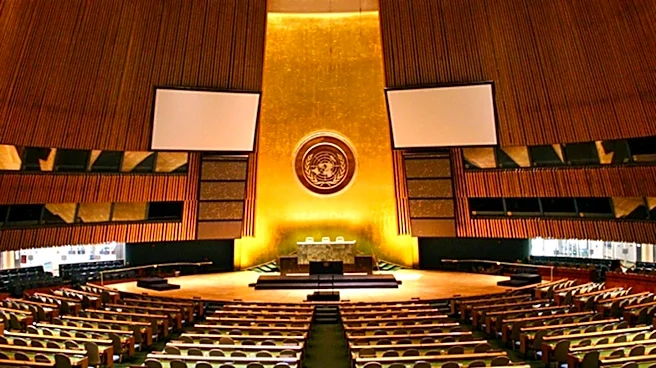
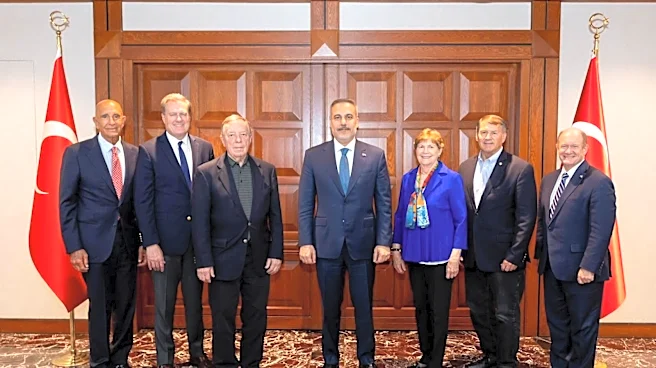
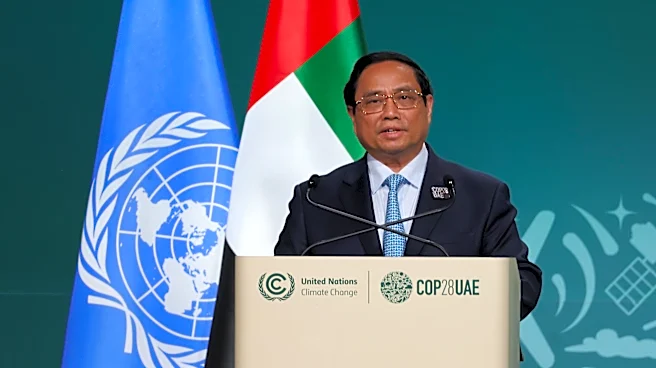
Turkey is currently hosting the U.N. climate summit, COP31, in Antalya, bringing together diplomats, corporate executives, and world leaders to negotiate collective agreements on climate change. The Turkish government views this as an opportunity to enhance
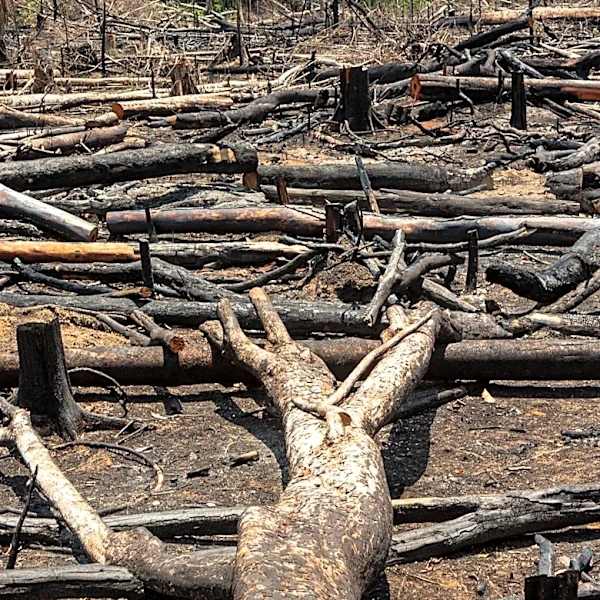
its international prestige and diplomatic portfolio, aiming to add climate leadership to its existing roles as a mediator in global conflicts. This move follows Turkey's ratification of the Paris Agreement in 2021 and the establishment of a dedicated climate ministry, prompted by deadly wildfires five years ago and European trade taxes. However, Turkish environmentalists and critics accuse the government of 'greenwashing,' alleging that its environmental claims mask destructive practices. They point to the Zero Waste campaign, which critics say involves burning or dumping imported plastic waste rather than recycling it, and highlight the involvement of sponsors like infrastructure giant Limak Holding and real estate developer Sinpaş GYO, both accused of environmentally damaging projects.
Why It's Important?
The accusations of 'greenwashing' against Turkey at COP31 are significant because they undermine the credibility of international climate efforts and the host nation's commitment to environmental protection. If a host country is perceived as not genuinely adhering to climate goals, it can weaken the resolve and trust among participating nations, potentially hindering progress on critical global climate agreements. For the U.S. and other developed nations, this situation raises questions about the effectiveness of international climate diplomacy and the enforcement of environmental standards. It also highlights the challenges of balancing economic development with environmental sustainability, particularly in emerging economies. The outcome of these discussions and the response to the 'greenwashing' claims could influence future international collaborations on climate change and the accountability mechanisms for nations' environmental pledges.
What's Next?
Environmental activists are organizing a parallel conference to COP31, aiming to pressure world leaders and expose what they describe as 'greenwashing' by the Turkish government and corporate sponsors. This parallel event is expected to amplify criticisms regarding Turkey's domestic environmental policies, including allegations of stripping local protections and favoring business interests over communities. The Turkish Ministry of Climate has not yet responded to requests for comment on these accusations. The ongoing summit will likely see continued negotiations on climate agreements, with Turkey's credibility as a climate leader under scrutiny. The ability of Turkish civil society to hold its government accountable during this period could set a precedent for future international events hosted by nations facing similar environmental criticisms.
Beyond the Headlines
The controversy surrounding Turkey's COP31 hosting duties delves into deeper ethical and political implications. The concept of 'greenwashing' itself represents a significant challenge to genuine environmental progress, as it allows entities to project an eco-friendly image without implementing substantive changes. This can mislead the public, dilute the urgency of climate action, and divert attention from actual environmental degradation. The involvement of corporations with questionable environmental records as sponsors further complicates the narrative, raising concerns about corporate influence on climate policy. This situation also underscores the tension between national economic development goals and global environmental responsibilities, a dilemma faced by many countries. The long-term impact could be a re-evaluation of how host nations for major climate summits are selected and the criteria used to assess their environmental commitments, potentially leading to stricter vetting processes to ensure genuine dedication to climate action.