

What's Happening?
Texas Governor Greg Abbott has issued an order to halt new H-1B visa petitions at state agencies and public universities, effective immediately. This decision is part of a broader effort to prioritize employment opportunities for Texans, particularly
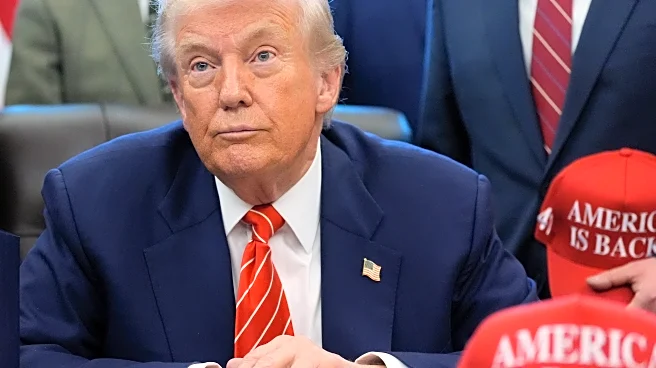
in positions funded by taxpayer dollars. The freeze will remain in place until May 31, 2027, coinciding with the end of the state's next legislative session. The H-1B visa program, which is commonly used by public universities to hire skilled foreign employees, has been criticized by Abbott for disadvantaging American workers. This move follows a recent proclamation by President Trump, which imposed a $100,000 fee on H-1B applications and prioritized higher-paid applicants. The directive affects major public sector employers in Texas, including the University of Texas and Texas A&M University, as well as medical research facilities like UT Southwestern Medical Center and MD Anderson Cancer Center.
Why It's Important?
The freeze on H-1B hiring in Texas could have significant implications for the state's public universities and research institutions, which rely on skilled foreign workers for various roles. This decision aligns with broader federal immigration policies under President Trump, which have tightened restrictions on employment-based visas. The halt may hinder the ability of Texas institutions to attract global talent, potentially affecting their competitiveness and innovation capabilities. Business groups have expressed concerns that such measures could make it more challenging for U.S. employers to recruit international talent, impacting industries that depend on highly skilled workers. The move also reflects a political stance aimed at addressing concerns about job opportunities for American workers, a sentiment echoed by other states like Florida, which is considering similar restrictions.
What's Next?
State agencies and public universities in Texas are required to submit detailed reports by late March, outlining their current H-1B workforce, including job categories, countries of origin, and efforts to recruit local candidates. This data collection could inform future policy decisions regarding the use of H-1B visas in the state. Additionally, the freeze may prompt discussions among stakeholders, including educational institutions and business leaders, about alternative strategies to meet their staffing needs. The outcome of similar proposals in other states, such as Florida, could influence the national conversation on immigration and employment policies.