







What's Happening?
The Asian Development Bank (ADB) will co-host the sixth Finance in Common Summit (FiCS) in Bangkok, Thailand, from March 31 to April 2, 2027. This marks the first time the summit will be held in Asia. The event will gather over 500 public development
banks and their stakeholders, who collectively manage approximately $23 trillion in assets. The summit's theme is 'Delivering Sustainable Growth for a More Resilient Future.' ADB President Masato Kanda emphasized the critical role of public development banks in addressing global challenges, particularly in a fragmenting international system with rising needs. The summit aims to mobilize financial strength and resolve to shape the security and opportunity of billions of people. The Finance in Common initiative, launched in 2020, serves as a global forum for public development banks, coordinating investment, strengthening common practices, and advocating for these institutions in international economic discussions. Its members invest around $2.5 trillion annually, originating projects and leveraging private finance.
Why It's Important?
This summit is significant as it brings together a substantial portion of global development finance to address pressing challenges. With public development banks managing vast assets and annual investments, their collective decisions and strategies can profoundly impact global development trajectories. The focus on 'Delivering Sustainable Growth for a More Resilient Future' highlights the urgency of addressing climate change, economic instability, and social inequalities. The summit's emphasis on project origination, innovative transactions, and networking opportunities is crucial for channeling investments into impactful projects, especially as a challenging global environment and tightening fiscal spaces make it harder for countries to finance urgent development needs. By fostering collaboration among public and private financiers, the event aims to advance collective action in areas such as nature-positive investments, climate resilience, and clean energy, which are vital for sustainable development worldwide. The outcomes of this summit could influence the allocation of significant financial resources towards sustainable and inclusive growth, particularly in Asia and the Pacific.
What's Next?
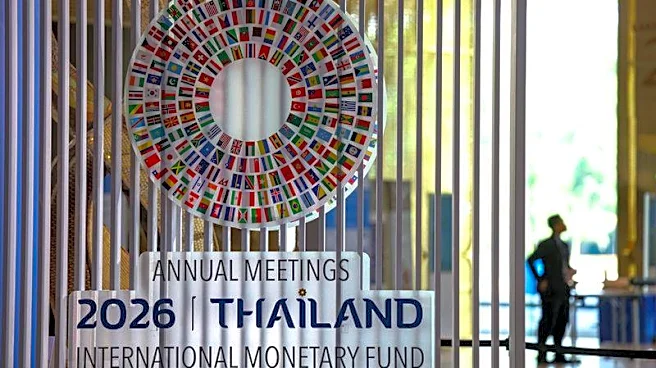
The 2027 Finance in Common Summit in Bangkok is anticipated to be a 'Summit of Delivery,' focusing on connecting public and private financiers with investment opportunities across Asia and the Pacific. The agenda will include plenary discussions, working sessions, investment pitches, and meetings between financial institutions and prospective partners. Key issues to be advanced during the summit include mobilizing more private capital, sharing and co-financing projects with other investors, reducing duplication among institutions, and maintaining long-term investment during economic crises. These priorities align with ADB's 2026 chairship of the Heads of Multilateral Development Banks and the 2026 Annual Meeting of the International Monetary Fund and the World Bank Group. The summit is expected to attract over 2,000 participants, including public development bank executives, government officials, regulators, business leaders, institutional investors, and civil society representatives, all working towards concrete outcomes for sustainable development.
Beyond the Headlines
The decision to host the Finance in Common Summit in Asia for the first time underscores the growing economic and developmental significance of the region. It also reflects a strategic shift towards strengthening regional partnerships and leveraging the unique financial architecture of Asian public development banks. The summit's focus on sustainable growth and resilience has broader implications for global economic governance, promoting a more coordinated approach to development finance. By bringing together diverse stakeholders, the event aims to bridge international ambitions with real-world execution, fostering a more inclusive and equitable financial system. The emphasis on innovative financial tools and strategic partnerships could lead to new models of development financing that are better equipped to address complex, interconnected global challenges, such as climate change and poverty, ultimately shaping the future of international development cooperation.