







What's Happening?
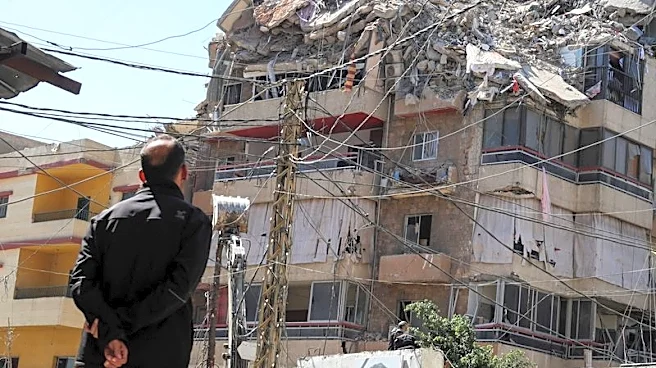
An analysis of Israel's historical military engagements with Lebanon reveals a pattern of conflict and temporary ceasefires, leading to repeated escalations. From the First Lebanon War in 1982 to the current tensions with Hezbollah, Israel has faced ongoing
challenges in securing its northern border. Despite various military operations and strategic withdrawals, the conflict persists, with Hezbollah remaining a significant threat. The analysis highlights the cyclical nature of the conflict, characterized by periods of intense military action followed by temporary lulls.
Why It's Important?
The historical context of Israel's engagements with Lebanon provides insight into the complexities of achieving lasting peace in the region. The persistent cycle of conflict underscores the challenges faced by Israeli policymakers in addressing security threats while balancing diplomatic efforts. The situation has broader implications for regional stability and international relations, particularly involving key players like Iran and the U.S. The analysis also highlights the humanitarian impact of the conflict, with significant civilian casualties and displacement.
Beyond the Headlines
The ongoing conflict between Israel and Lebanon raises ethical and legal questions regarding military actions and their impact on civilian populations. The repeated cycles of violence highlight the need for innovative diplomatic solutions and long-term strategies to address the root causes of the conflict. The situation also underscores the importance of international cooperation in mediating peace and supporting reconstruction efforts in affected areas.