




What's Happening?
At least six Americans have been exposed to a dangerous strain of the Ebola virus in the Democratic Republic of Congo, according to reports. The U.S. Centers for Disease Control and Prevention (CDC) is coordinating efforts to safely withdraw these individuals
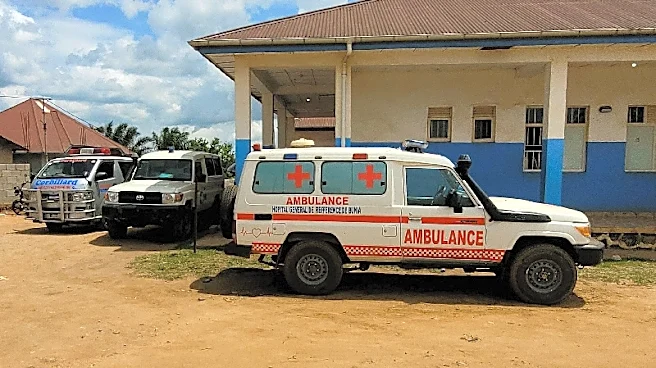
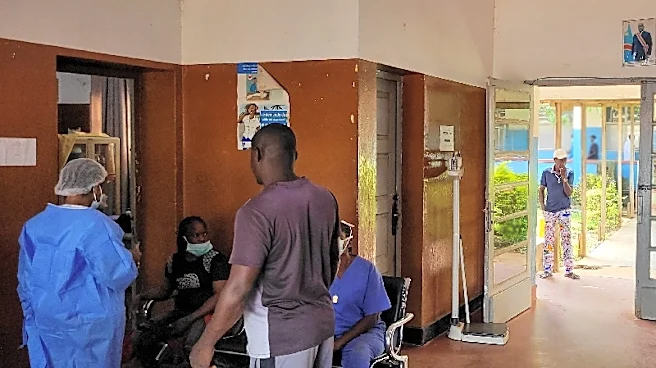
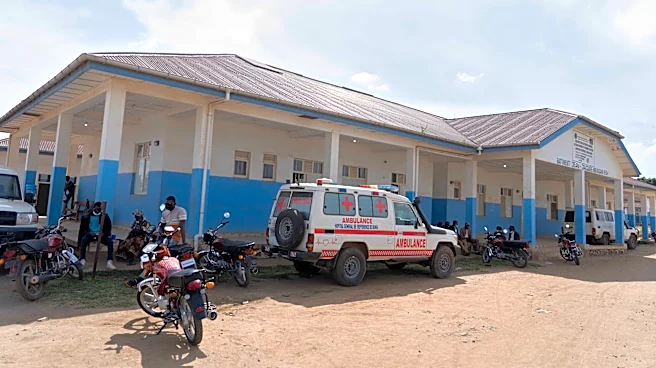
from the outbreak areas. The exposure occurred during a significant outbreak of the Bundibugyo Ebola virus, which has been declared a public health emergency of international concern by the World Health Organization (WHO). The outbreak has resulted in 10 confirmed cases and 336 suspected cases, with 88 deaths reported. The CDC has issued travel health notices for Congo and Uganda, emphasizing that the risk to the American public remains low.
Why It's Important?
The exposure of Americans to the Ebola virus highlights the ongoing global health challenges posed by infectious diseases. The Bundibugyo strain of Ebola, with a mortality rate of 25-50%, poses a significant threat due to the lack of a vaccine and the potential for rapid spread. The situation underscores the importance of international cooperation in managing health crises and the need for robust public health infrastructure to prevent the spread of such diseases. The CDC's involvement reflects the U.S. commitment to global health security and the protection of its citizens abroad.
What's Next?
The CDC is working on the logistics of withdrawing the exposed Americans, which may involve quarantine measures either in the U.S. or another location. The WHO and other international health organizations will continue to monitor the outbreak and provide updates on containment efforts. The situation may prompt further travel advisories and health screenings for travelers from affected regions. Ongoing research and development efforts may be accelerated to find effective treatments and vaccines for the Bundibugyo Ebola virus.