



What's Happening?
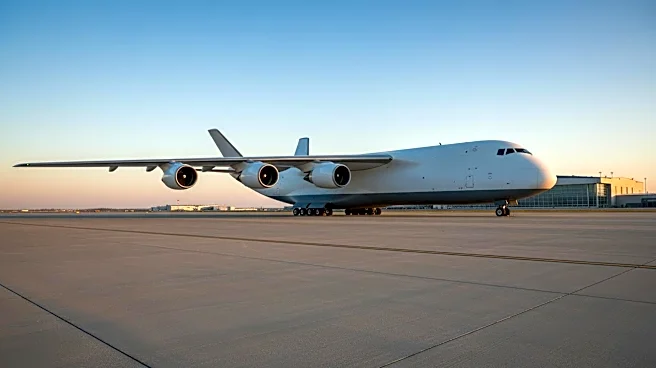
Radia, a U.S.-based startup, is expanding its network of European suppliers for the development of its WindRunner aircraft, which aims to meet NATO's strategic military airlift needs. The company has partnered with several European firms, including France's
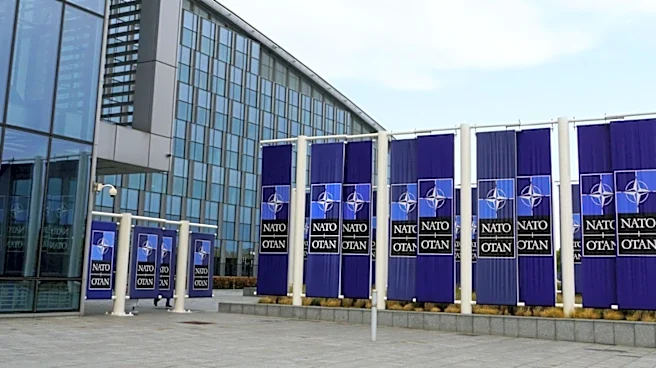
Latecoere for electrical systems and the UK's Stirling Dynamics for flight controls. Other European partners include Italy's Leonardo for the fuselage and Spain's Aernnova for the wings. The WindRunner is designed to be the world's largest aircraft, capable of carrying significant cargo loads. This initiative aligns with NATO's plans to enhance airlift capabilities among European allies, addressing gaps with a multinational fleet of Airbus A400Ms.
Why It's Important?
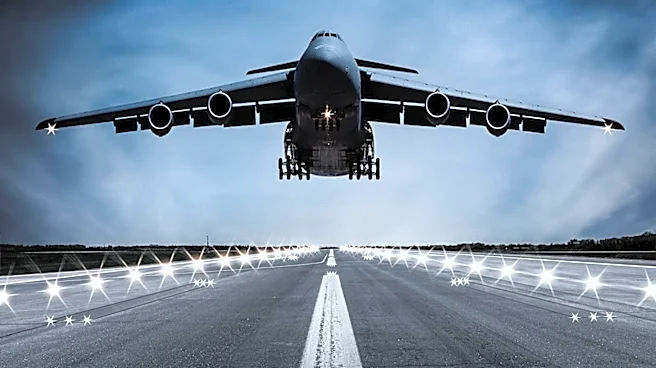
Radia's strategic partnerships with European suppliers highlight the growing collaboration between the U.S. and Europe in aerospace development. The WindRunner's potential to replace aging aircraft like the Antonov An-124-100 could significantly enhance NATO's airlift capabilities, providing a modern solution to strategic transport needs. This development also reflects a broader trend of international cooperation in defense technology, which could lead to more integrated and efficient military operations across NATO member states.
What's Next?
Radia plans to have the WindRunner operational by 2030, with the goal of replacing older aircraft models and offering new capabilities to both commercial and military clients. The company will continue to work with its European partners to finalize the aircraft's design and begin production. As NATO continues to seek solutions for its airlift capacity, the WindRunner could become a key component of its strategic transport fleet, potentially leading to further collaborations and contracts with NATO countries.