









What's Happening?
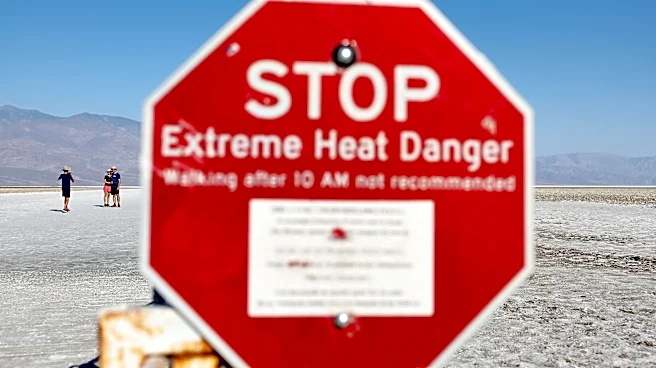
Global warming is significantly intensifying heatwaves, making them more frequent, longer, and more intense. This trend is evident in recent heatwaves across Europe, where record-breaking temperatures have been observed. The increase in global average
temperatures, attributed to human activities such as the burning of fossil fuels, is leading to more frequent and severe weather events. Heatwaves are now lasting longer, with nighttime temperatures rising at double the rate of global warming, making it difficult for people to cope. This has resulted in increased health risks, including higher mortality rates, particularly among vulnerable populations such as the elderly and those with chronic illnesses.
Why It's Important?
The intensification of heatwaves due to global warming poses significant health risks and challenges for societies worldwide. As temperatures rise, the frequency and severity of heat-related illnesses and deaths are expected to increase. This has implications for public health systems, which may face increased demand for services and resources. Additionally, the economic impact of heatwaves can be substantial, affecting productivity and increasing healthcare costs. The situation underscores the urgent need for global action to mitigate climate change and adapt to its impacts, including implementing measures to protect vulnerable populations and enhance urban resilience.
What's Next?
In response to the growing threat of heatwaves, governments and communities are likely to implement more robust climate adaptation strategies. This may include increasing urban green spaces, improving building designs to enhance cooling, and developing early warning systems for extreme heat events. International cooperation and policy changes aimed at reducing greenhouse gas emissions will be crucial in addressing the root causes of global warming. Additionally, public awareness campaigns and education on heatwave preparedness can help communities better cope with the impacts of rising temperatures.
Beyond the Headlines
The increasing frequency and intensity of heatwaves highlight the broader implications of climate change on global health and security. As temperatures continue to rise, there may be shifts in population dynamics, with people migrating from areas most affected by extreme heat. This could lead to increased competition for resources and potential conflicts. Furthermore, the impact of heatwaves on agriculture and food security could exacerbate existing challenges, particularly in regions already vulnerable to climate change. Addressing these complex issues will require comprehensive and coordinated efforts at local, national, and international levels.