


What's Happening?
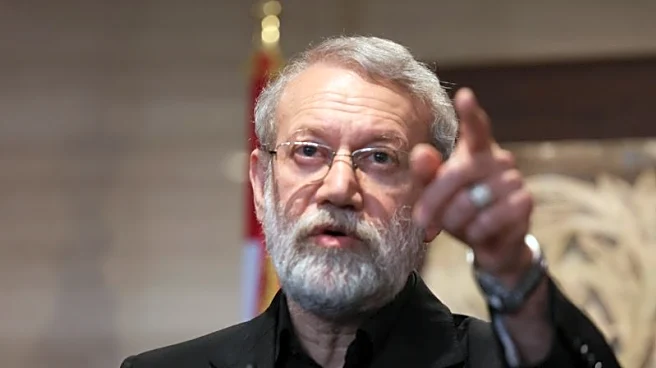
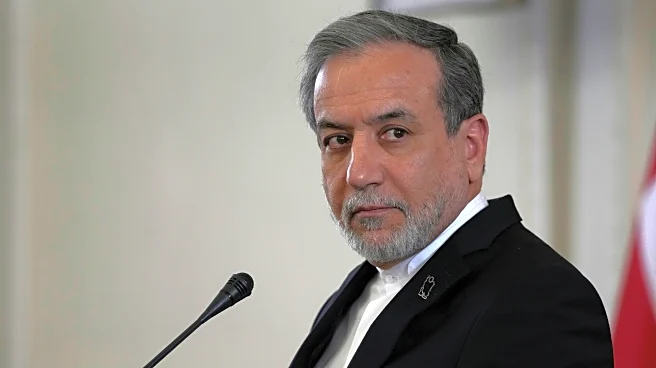
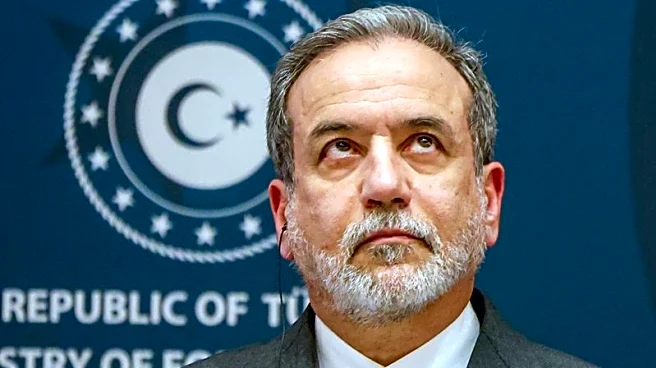
Iranian officials have acknowledged the possibility of brief, informal encounters with U.S. representatives during ongoing nuclear negotiations. Despite these potential interactions, Iran remains firm in its stance on uranium enrichment, which it considers
a right tied to future generations. The talks, conducted indirectly, are set against a backdrop of increased U.S. military presence in the region. Iran's parliament, with participation from key military and diplomatic figures, reiterated its refusal to cease uranium enrichment. The discussions aim to coordinate diplomatic and military strategies, with Iran emphasizing its preparedness to respond to any perceived threats.
Why It's Important?
The ongoing negotiations between Iran and the U.S. are critical as they could influence regional stability and international relations. Iran's steadfast position on uranium enrichment poses a challenge to U.S. efforts to curb nuclear proliferation. The potential for informal meetings suggests a willingness to engage diplomatically, yet the firm stance on enrichment highlights the complexities of reaching a comprehensive agreement. The outcome of these talks could impact U.S. foreign policy, regional security dynamics, and the global non-proliferation regime. Stakeholders, including Israel, are closely monitoring the situation, given the potential implications for regional security.
What's Next?
Iran's top security official is scheduled to visit Oman, indicating continued diplomatic efforts. The U.S. and Iran may engage in further indirect talks, with both sides signaling a willingness to pursue a diplomatic solution. However, the U.S. military buildup in the region suggests preparedness for potential escalation if negotiations falter. The international community will be watching for any shifts in Iran's position or changes in U.S. strategy, as these could significantly alter the geopolitical landscape.