




What's Happening?
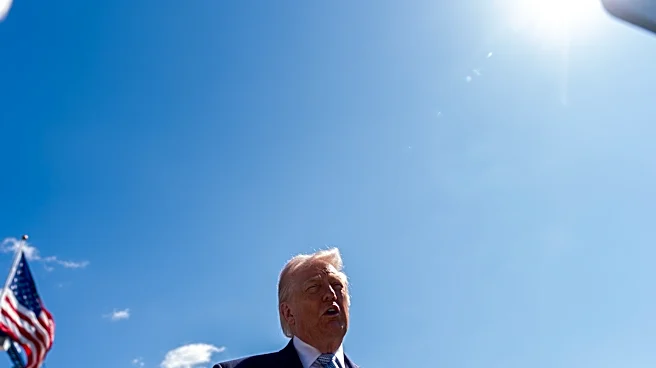
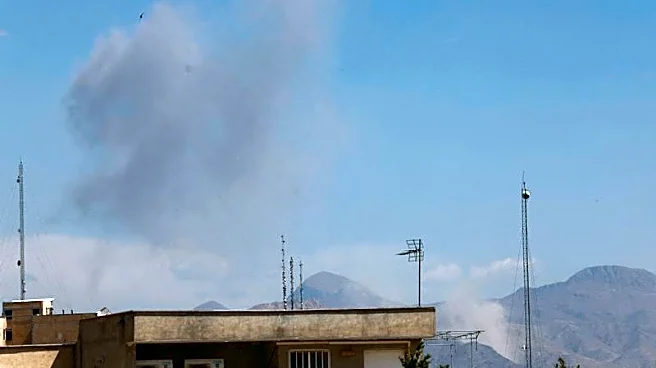
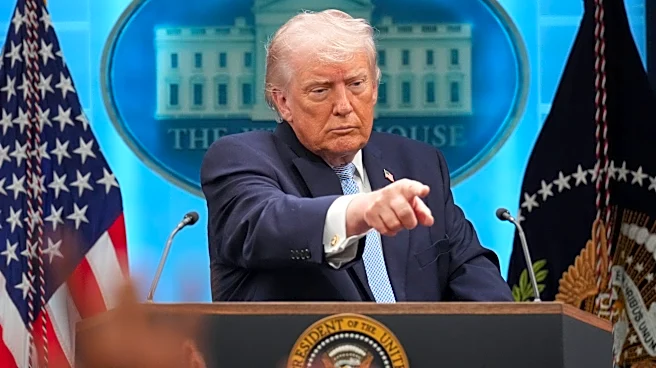
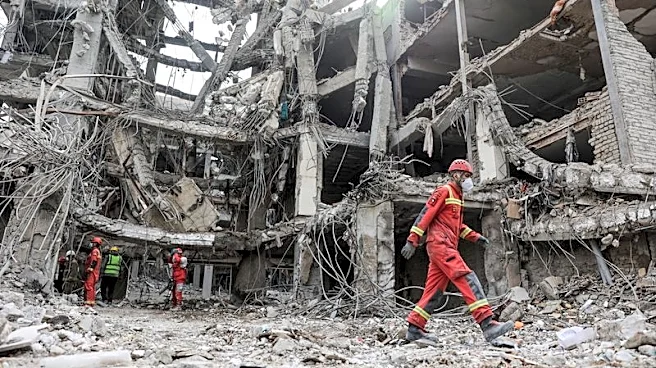
A two-week ceasefire has been agreed upon between the U.S. and Iran, halting hostilities in the ongoing conflict. This development follows a dramatic ultimatum from President Donald Trump, who threatened severe consequences if Iran did not reopen the Strait
of Hormuz. The ceasefire, brokered with the help of Pakistan, allows for safe passage through the strait and sets the stage for upcoming negotiations. Iran has presented a 10-point peace proposal, which President Trump has called a 'workable basis on which to negotiate.' The proposal includes demands for a permanent end to U.S. aggression and the withdrawal of U.S. forces from the region.
Why It's Important?
The ceasefire and subsequent negotiations are pivotal in determining the future of U.S.-Iran relations and regional stability. The Strait of Hormuz is a critical chokepoint for global oil supply, and its closure or control by Iran could have significant economic repercussions. The U.S.'s response to Iran's demands will influence its diplomatic and military strategies in the Middle East, potentially affecting alliances and regional power dynamics. The outcome of these talks could also impact domestic politics in the U.S., as rising gas prices and military engagements are contentious issues.
What's Next?
Negotiations between U.S. and Iranian officials are scheduled to take place in Islamabad. The talks will focus on finding common ground on Iran's 10-point proposal, which includes demands for security guarantees and sanctions relief. The international community will be watching closely, as the success or failure of these negotiations could have far-reaching implications for global security and economic stability. Both sides will need to balance domestic pressures with international expectations to reach a sustainable agreement.