





What's Happening?
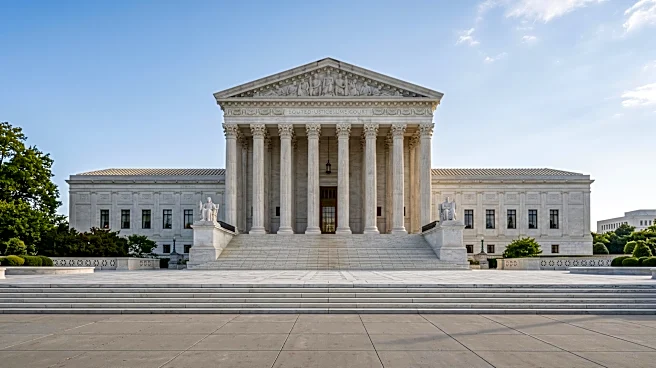
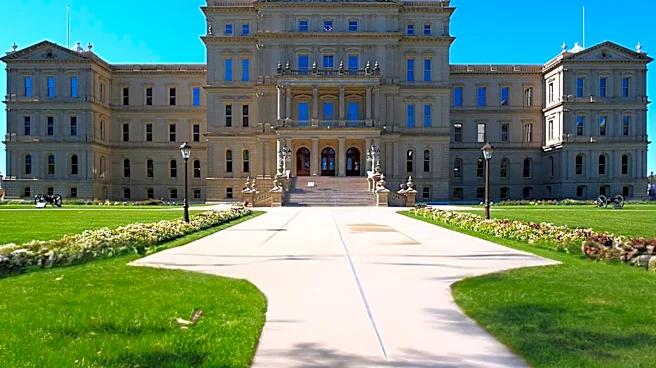
The U.S. Supreme Court, specifically Justice Brett Kavanaugh, has declined an application from Americans for Citizen Voting-Michigan. The group sought to appeal a decision by the Michigan Board of State Canvassers that prevented a citizens-only voting
proposal from appearing on the November general election ballot. The Board of State Canvassers had determined there was a lack of valid petition signatures for the measure. The Supreme Court's decision was posted without a filing or opinion on its docket, occurring the day before the November ballot was to be finalized. Americans for Citizen Voting-Michigan had requested an emergency injunction, arguing that the due process rights of Michiganders who signed the petition were violated when affidavits validating nine rejected signatures were deemed submitted too late. These signatures, if validated, would have pushed the petition over the required threshold. The Michigan Supreme Court also declined to expedite the case, ruling that Americans for Citizen Voting was not entitled to mandamus relief, which would have compelled the Board of State Canvassers to approve the petition.
Why It's Important?
This decision by the U.S. Supreme Court has significant implications for election integrity debates and the process of ballot initiatives in Michigan and potentially other states. The citizens-only voting measure, if passed, would have established strict voter ID rules, which opponents argued could disenfranchise many legal voters. The rejection of the application means that Michigan voters will not consider this specific proposal in the upcoming November election, maintaining the current voting regulations. The case highlights the ongoing tension between citizen-led initiatives, state election boards, and the judiciary regarding the validity and interpretation of election laws. The argument from Americans for Citizen Voting about due process violations in signature validation underscores the procedural complexities and potential legal challenges inherent in ballot measure campaigns, emphasizing the critical role of state election authorities in verifying petition signatures.
What's Next?
With the U.S. Supreme Court declining to intervene and the Michigan Supreme Court also refusing to grant expedited relief, the citizens-only voting proposal will not appear on Michigan's November general election ballot. The Michigan Board of State Canvassers is set to finalize the ballot, including voting on the language for the citizens-only voting measure, though it is not expected to be on the ballot. This outcome means that the current voter identification and eligibility rules in Michigan will remain in effect for the upcoming election. The decision also reinforces the standard judicial practice of higher courts typically ruling only after lower courts have fully weighed in, as the U.S. Supreme Court was asked to intervene before the Michigan Supreme Court had issued a full hearing or opinion on the matter. Future efforts to introduce similar ballot measures would likely need to address the issues of signature validation and timely submission to avoid similar legal challenges.
Beyond the Headlines
The case touches upon broader themes of democratic participation, state sovereignty in election administration, and the role of the judiciary in resolving electoral disputes. The debate over citizens-only voting reflects a national conversation about voter access versus election security, with proponents often citing concerns about non-citizen voting and opponents emphasizing potential disenfranchisement. The procedural aspects of the case, particularly the dispute over signature validation and the timing of legal challenges, highlight the intricate legal framework governing ballot initiatives. The differing interpretations of due process rights in the context of petition signature verification could influence how future ballot measures are managed and challenged across the country. This situation also underscores the increasing politicization of election administration, where even technical aspects of ballot qualification can become subjects of intense legal and political contention.