









What's Happening?
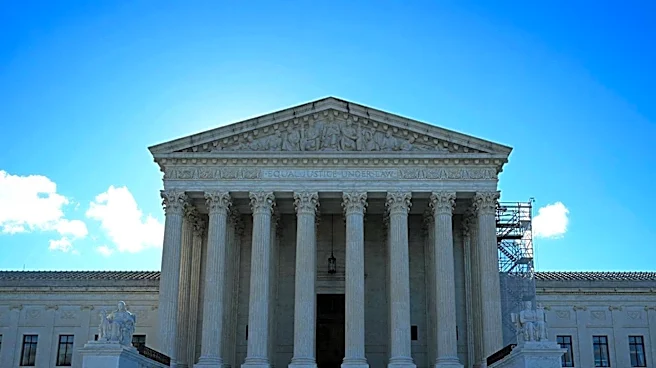
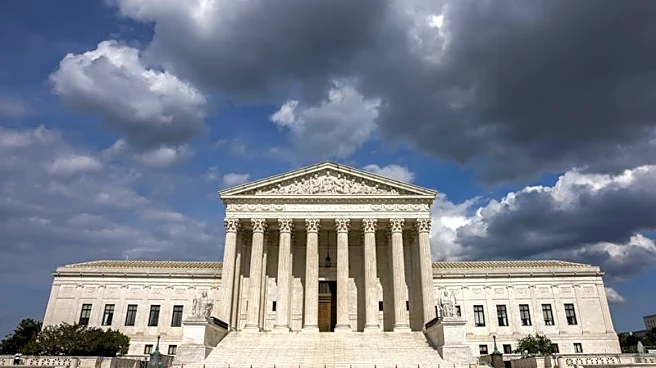
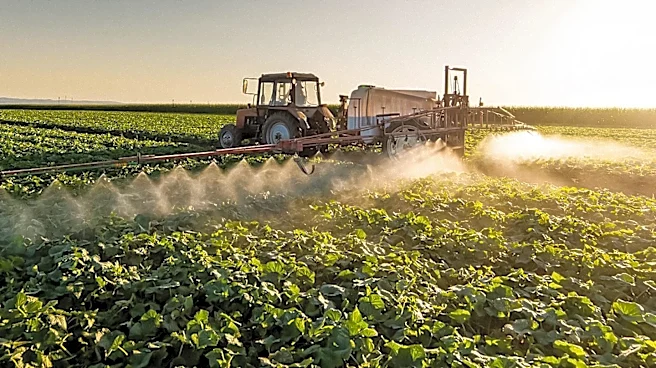
The U.S. Supreme Court has ruled in a 7-2 decision that the Federal Insecticide, Fungicide, and Rodenticide Act (FIFRA) preempts state tort law claims against Monsanto regarding its product, Roundup. This decision overturns a Missouri jury verdict that awarded
over $1 million to Mr. Durnell, who claimed that his use of Roundup caused his non-Hodgkin’s lymphoma. The Court found that FIFRA's preemption clause prevents states from imposing labeling requirements that differ from federal standards. This ruling limits the ability of individuals to bring state law failure-to-warn claims that would require additional warnings beyond those approved by the Environmental Protection Agency (EPA).
Why It's Important?
This ruling has significant implications for companies whose products are subject to federal labeling regulations. By affirming FIFRA's preemption of state law claims, the decision narrows the legal avenues available for individuals seeking to challenge federally approved product labels. This could reduce the number of lawsuits against companies like Monsanto, which has faced over 100,000 claims related to Roundup. The decision may also influence other industries, such as medical devices, where federal labeling requirements are in place. Companies may now focus on preemption defenses in litigation strategies, potentially reducing their exposure to costly lawsuits.
What's Next?
Following this decision, companies with products regulated under federal labeling laws may reassess their litigation strategies to emphasize preemption defenses. Legal experts and consumer advocacy groups may scrutinize the ruling's impact on consumer protection and state rights. Additionally, there could be legislative efforts to address perceived gaps in consumer safety protections at the federal level. Stakeholders in industries affected by federal labeling regulations will likely monitor the ruling's implications for future litigation and regulatory compliance.
Beyond the Headlines
The Supreme Court's decision highlights the ongoing tension between federal regulatory authority and state consumer protection laws. It raises questions about the balance of power between federal oversight and state-level legal recourse for consumers. This ruling may prompt discussions about the adequacy of federal labeling standards and whether they sufficiently protect public health. The case also underscores the role of scientific evidence in regulatory decisions, as differing interpretations of glyphosate's safety have fueled legal battles and public debate.