








What's Happening?
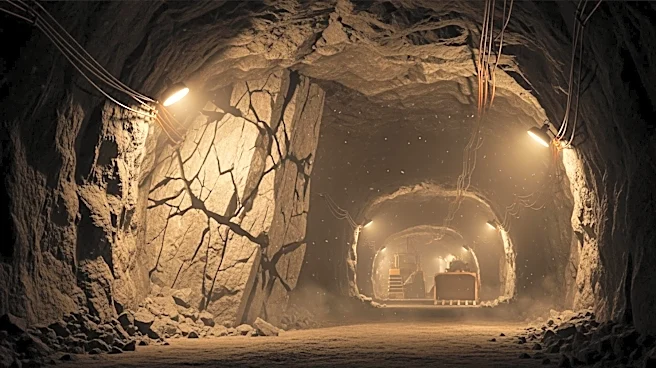
A magnitude 4.5 earthquake struck near Newmont's Cadia Valley gold and copper mine in Central New South Wales, Australia, trapping 153 miners underground for over 10 hours. The earthquake, which is the largest recorded in the region, caused the miners to
seek refuge in emergency chambers. Fortunately, no injuries were reported, and the site was evacuated for safety inspections. The earthquake's epicenter was close to the mine, and subsequent tremors were recorded shortly after the initial quake. Newmont, a multinational mining company, has halted underground operations pending further inspection and plans to conduct rehabilitation work to restore the mine to 80% capacity by the third quarter of 2026. The incident has raised concerns about the potential link between mining activities and seismic events, although conclusive evidence is difficult to obtain without close monitoring.
Why It's Important?
The earthquake at Cadia Valley highlights the potential risks associated with mining activities and their impact on seismic stability. The incident underscores the need for rigorous monitoring and regulation of mining operations to prevent similar occurrences. The temporary halt in operations at one of Australia's largest gold mining sites could have economic implications, affecting production and employment. Additionally, the event raises questions about the adequacy of current safety measures and the responsibility of mining companies to ensure the safety of their workers. The broader significance lies in the ongoing debate about the environmental and safety impacts of resource extraction industries, which are crucial to Australia's economy.
What's Next?
Newmont plans to conduct at least five weeks of underground rehabilitation work to restore the mine's operations. The company aims to return to 80% capacity by the third quarter of 2026. Meanwhile, discussions about the link between mining activities and seismic events may prompt calls for increased monitoring and stricter regulations. Stakeholders, including local communities, environmental groups, and government agencies, may push for more transparency and accountability from mining companies. The incident could also influence future policy decisions regarding mining operations and their environmental impact.
Beyond the Headlines
The earthquake at Cadia Valley brings attention to the ethical and safety responsibilities of mining companies. It highlights the need for a balance between economic benefits and environmental protection. The incident may lead to increased scrutiny of mining practices and their long-term impact on local communities and ecosystems. It also raises questions about the role of government and regulatory bodies in ensuring the safety and sustainability of resource extraction industries. The event could serve as a catalyst for broader discussions on sustainable mining practices and the transition to more environmentally friendly energy sources.