








What's Happening?
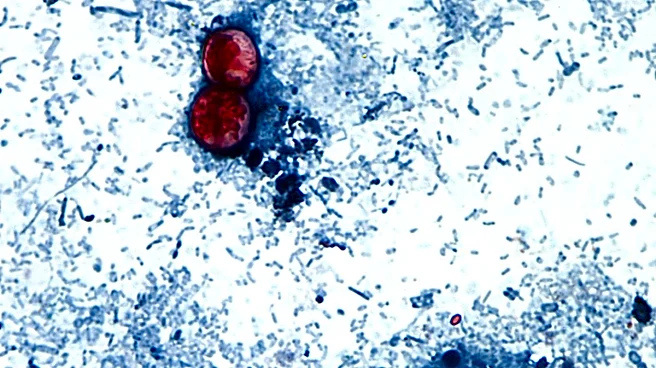
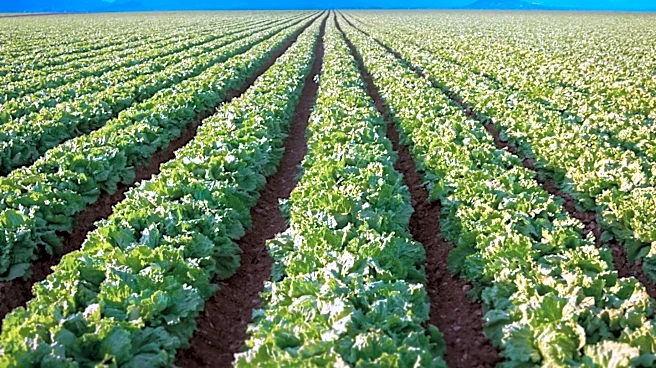
Taylor Farms has initiated a recall of its iceberg lettuce products distributed to 27 states in the U.S. due to potential contamination with the cyclospora parasite. This parasite has been linked to thousands of cases of diarrhea across the country. The
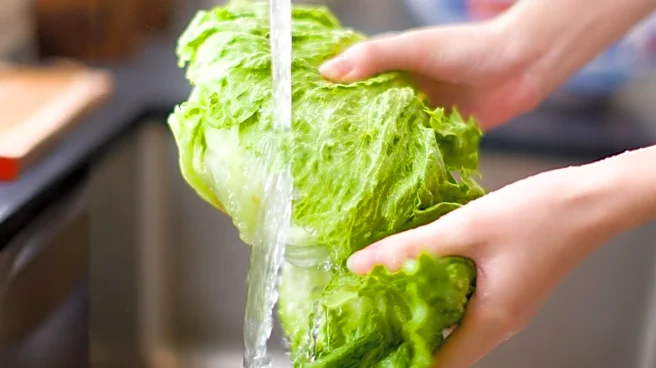
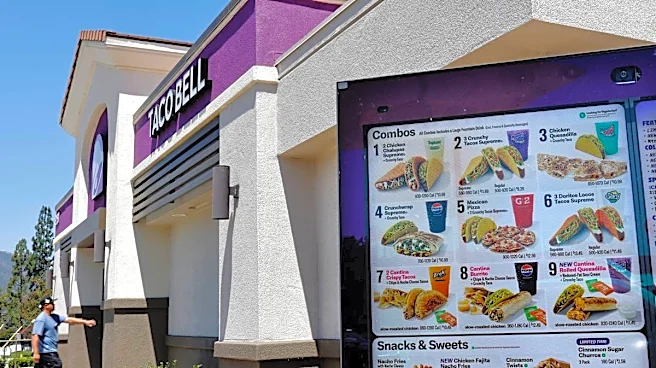
recall affects products distributed between June 29 and July 16, and the company has advised consumers to discard any affected lettuce immediately. The U.S. Food and Drug Administration (FDA) has confirmed that the outbreak is primarily centered in the Midwest, with significant cases reported in Michigan, Ohio, Indiana, West Virginia, and Kentucky. Taco Bell, a major distributor of the lettuce, has removed the product from its restaurants and supply chain. Sysco, another distributor, has also ceased distribution of the affected lettuce. The Centers for Disease Control and Prevention (CDC) has reported nearly 7,000 confirmed or under-investigation cases of cyclosporiasis in 34 states since May 1.
Why It's Important?
The recall of iceberg lettuce by Taylor Farms is significant due to the widespread distribution of the product and the potential health risks associated with cyclospora contamination. The outbreak has already resulted in thousands of cases of illness, highlighting the vulnerability of the food supply chain to contamination. This incident underscores the importance of stringent food safety measures and rapid response to potential health threats. The economic impact on businesses involved, such as Taco Bell and Sysco, could be substantial, affecting their operations and consumer trust. Additionally, the outbreak may prompt regulatory bodies to review and possibly tighten food safety regulations to prevent future occurrences.
What's Next?
As investigations continue, more states may be added to the recall list if further contamination is discovered. The FDA and CDC are conducting multiple investigations to determine the full scope of the outbreak and its sources. Businesses involved in the distribution of the affected lettuce will need to manage the recall process and address any potential legal and financial repercussions. Consumers are advised to remain vigilant and check for updates on the recall to ensure their safety. The incident may lead to increased scrutiny of food safety practices and could result in policy changes aimed at preventing similar outbreaks in the future.