



What's Happening?
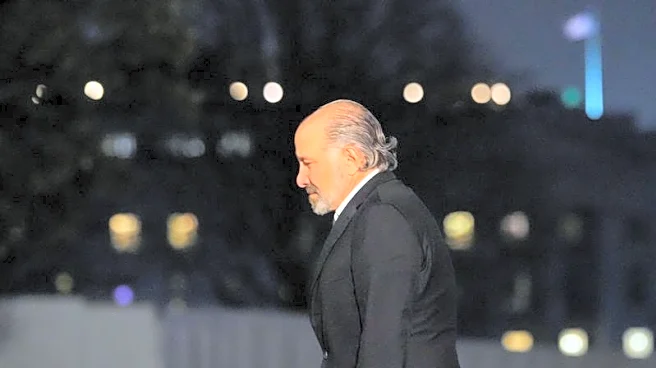
Commerce Secretary Howard Lutnick has agreed to voluntarily testify before the House Oversight Committee regarding his connections to Jeffrey Epstein. This decision follows the release of documents by the Justice Department indicating Lutnick maintained
contact with Epstein years after distancing himself. Lutnick's testimony is part of a broader investigation by the committee, which has already conducted interviews with high-profile figures such as former President Bill Clinton and former Secretary of State Hillary Clinton. Lutnick, who previously chaired Cantor Fitzgerald, is expected to address his interactions with Epstein, including meetings and communications that continued after Epstein's conviction for soliciting prostitution.
Why It's Important?
Lutnick's testimony is crucial as it may shed light on the extent of Epstein's network and influence among prominent figures. The investigation aims to uncover potential misconduct and ensure accountability for those involved with Epstein. Lutnick's willingness to testify voluntarily demonstrates a commitment to transparency, which could influence public perception and political dynamics. The inquiry also highlights ongoing efforts by lawmakers to address issues related to Epstein's activities and connections, potentially impacting public trust in government officials and institutions. The outcome of this investigation could lead to further scrutiny of individuals linked to Epstein and influence future legislative actions.
What's Next?
The House Oversight Committee is expected to continue its investigation, with scheduled depositions for other individuals connected to Epstein's estate. Lawmakers may push for additional testimonies from co-conspirators and others involved in Epstein's network. The committee's findings could lead to recommendations for policy changes or legal actions against those implicated. As the investigation progresses, political leaders and stakeholders will likely monitor developments closely, considering potential implications for public policy and governance. The committee's efforts may also prompt broader discussions on ethical standards and accountability for public officials.