





What's Happening?
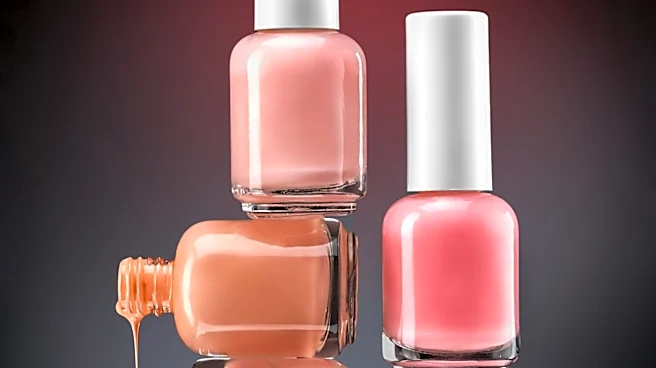
The United Kingdom is implementing a phased ban on gel nail products containing Trimethylbenzoyl Diphenylphosphine Oxide (TPO), an ingredient used to help gel polish cure under UV light. This decision follows the European Union's classification of TPO as a reproductive
toxin. Starting February 14, 2027, nail technicians and retailers in the U.K. will be prohibited from purchasing new gel polishes that contain TPO. The policy allows businesses to continue selling or using their existing stock of TPO-containing products until supplies are exhausted, rather than requiring immediate removal from the market. Concerns about TPO's safety stem from research indicating that rats exposed to high doses of the chemical developed fertility problems. Additionally, TPO has been identified as a potential endocrine-disrupting chemical, which could interfere with the body's hormonal systems. This regulatory action aims to mitigate potential health risks for both salon professionals and consumers.
Why It's Important?
This ban is significant for the beauty industry and public health in the U.K., reflecting a growing emphasis on ingredient safety in personal care products. For manufacturers, it necessitates reformulation of gel nail polishes to exclude TPO, potentially driving innovation towards safer alternatives. This shift could lead to increased research and development costs, but also open new market opportunities for TPO-free products. Salon owners and nail technicians will need to adapt by changing suppliers, retraining staff on new product lines, and managing their existing inventory, which could incur transitional costs. Consumers may experience changes in product availability or performance as brands reformulate. Beyond the immediate impact, this move highlights the broader regulatory trend of scrutinizing chemical ingredients in cosmetics, particularly those with potential reproductive or endocrine-disrupting effects, influencing how personal care products are developed and marketed globally.
What's Next?
The U.K. beauty industry will undergo a transition period leading up to the February 14, 2027, purchasing cutoff for TPO-containing gel polishes. Manufacturers are expected to accelerate their efforts to reformulate products, with some companies, like HONA and Townhouse, already having developed TPO-free systems. Nail technicians and retailers will need to verify ingredient lists and seek written confirmation from suppliers to ensure compliance with the upcoming ban. This period will likely see increased communication between suppliers and salons regarding product changes and availability. The delayed implementation aims to minimize disruption for businesses, allowing them to deplete current stock and gradually integrate new, compliant products. The long-term outcome will be a market shift towards TPO-free gel nail polishes, potentially setting a precedent for similar regulatory actions in other regions or for other chemical ingredients.
Beyond the Headlines
The U.K.'s decision to ban TPO in gel nail polishes underscores a deeper societal conversation about the balance between cosmetic efficacy and public health. It raises ethical questions for manufacturers regarding their responsibility to ensure product safety, especially when potential risks are identified. The focus on reproductive health and endocrine disruption highlights the increasing scientific understanding of how environmental chemicals can impact human biology, prompting a re-evaluation of ingredients previously considered safe. This regulatory action could also empower consumers to demand greater transparency about product ingredients and push for more rigorous safety testing across the personal care industry. Furthermore, it illustrates the influence of international regulatory bodies, as the U.K.'s ban follows the EU's classification, suggesting a potential for harmonized standards in chemical safety across different regions.