









What's Happening?
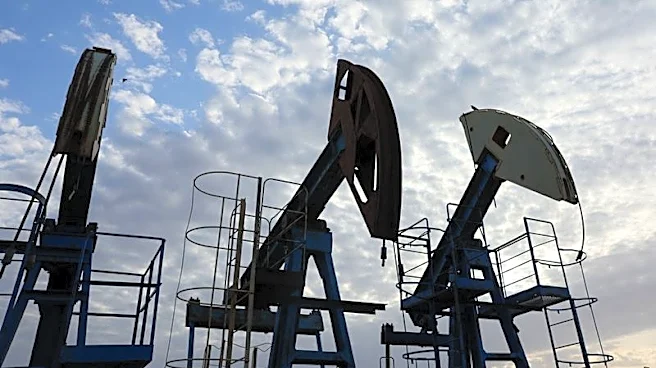
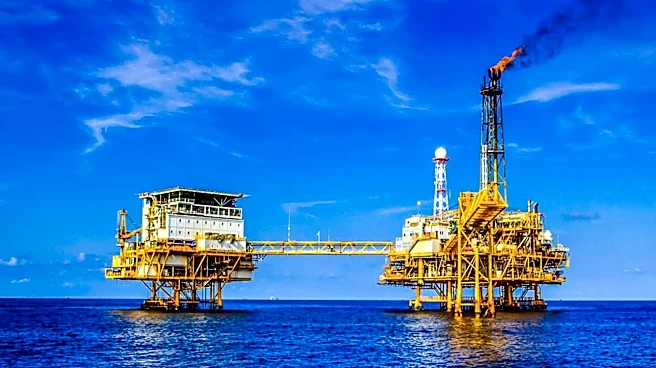
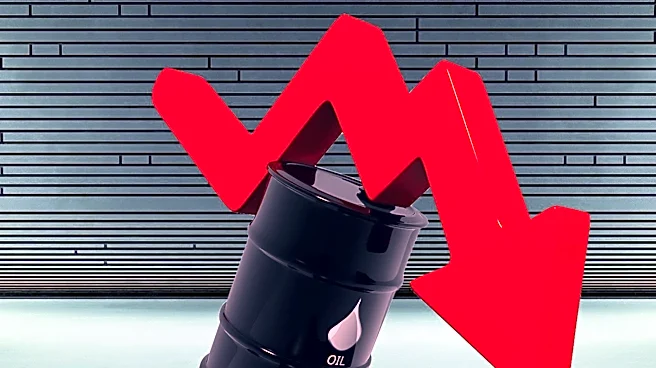
Oil prices have increased as tensions between the United States and Iran escalate. U.S. West Texas Intermediate futures for August delivery rose by 1.32% to $80.09 per barrel, while September futures for Brent crude advanced by 1.33% to $85.35 per barrel.
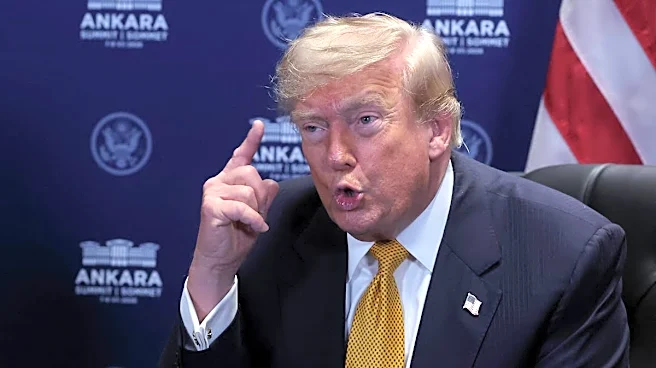
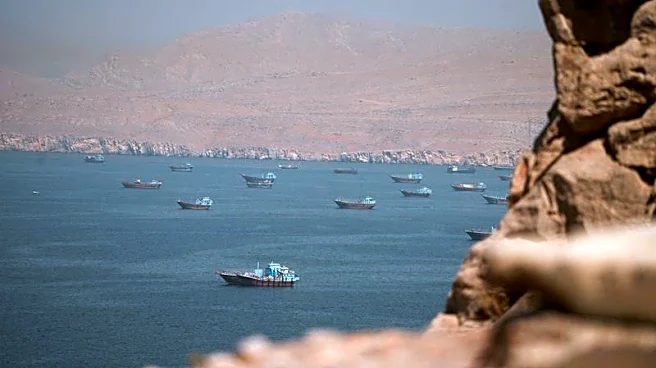
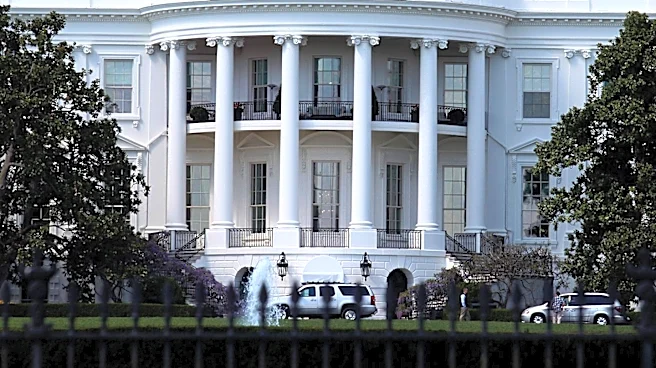
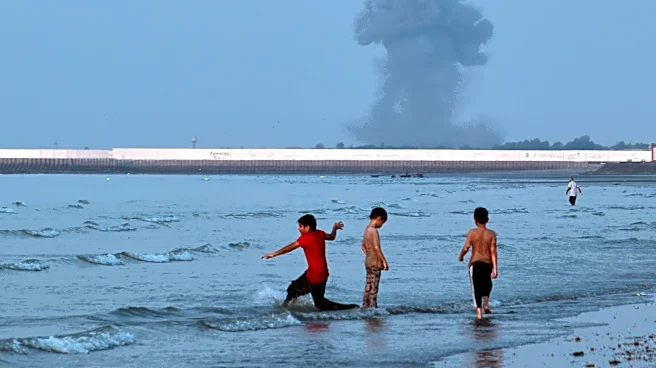
This rise in oil prices follows a statement by President Trump, who indicated that U.S. forces might target Iran's infrastructure unless a diplomatic resolution is reached. In response, Iran's military command warned that any such action would lead to retaliation against regional infrastructure. The situation has heightened investor concerns, contributing to the increase in oil prices.
Why It's Important?
The escalation in tensions between the U.S. and Iran has significant implications for global oil markets and geopolitical stability. Rising oil prices can impact various sectors of the U.S. economy, including transportation and manufacturing, by increasing operational costs. Additionally, the potential for military conflict in the Middle East could disrupt global oil supplies, leading to further price volatility. The situation underscores the fragile nature of international relations and the economic interdependence of nations, particularly in the energy sector. Both the U.S. and Iran have economic incentives to avoid conflict, as the U.S. seeks to maintain stable oil prices ahead of elections, and Iran aims to preserve economic benefits from existing agreements.
What's Next?
The next steps will likely involve diplomatic efforts to de-escalate tensions and avoid military conflict. Both nations have strong economic reasons to seek a resolution, with the U.S. aiming to stabilize oil prices and Iran looking to retain economic incentives. The international community may also play a role in mediating discussions to prevent further escalation. Investors and stakeholders in the oil industry will be closely monitoring developments, as any military action could have far-reaching consequences for global oil supply and prices.