
What's Happening?
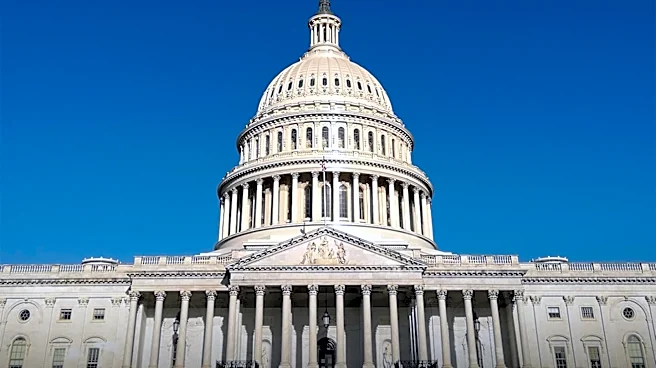
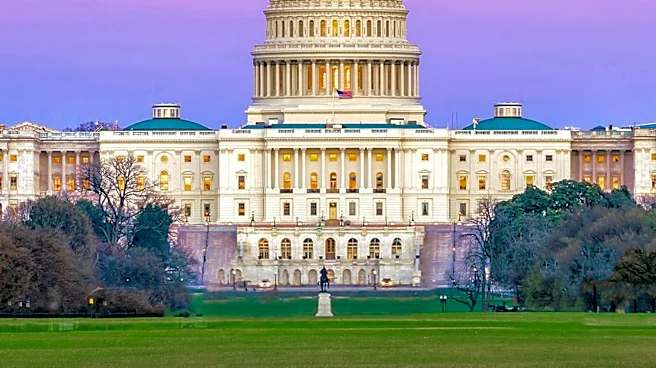
On Tuesday, September 29, 2026, the U.S. Senate convened for a session marked by discussions on several key legislative and policy issues. Leader Schumer initiated the day by speaking on the critical need
for guardrails on artificial intelligence (AI). Following this, Senator Barasso addressed the issue of lowering costs for Americans. Leader Thune advocated for H.R. 9340, a bill aimed at amending the Public Utility Regulatory Policies Act of 1978 to establish a federal standard for recovering the full, incremental costs of upgrades serving large-load customers. The Senate also scheduled a vote on the motion to proceed to S.J.Res.197, the Baldwin Obamacare Exchange Standards CRA, which ultimately did not pass with a vote of 48-51. Cloture was filed on several items, including the motion to proceed to H.R.7008, the Stop Insider Trading Act, H.R.9340, the Ratepayer Protection Act, and the nomination of Keith Sonderling to be Secretary of Labor. Senators also debated S.Res.852 concerning Israel's human rights practices, which did not discharge from the Foreign Relations Committee.
Why It's Important?
The Senate's agenda on this day highlights several critical areas impacting U.S. policy and society. The discussion on AI guardrails is particularly significant, as the rapid advancement of artificial intelligence presents both immense opportunities and potential risks, necessitating careful legislative oversight to ensure ethical development, national security, and economic stability. Debates on lowering costs for Americans and utility rate recovery directly affect household budgets and industrial operations, reflecting ongoing concerns about economic pressures and infrastructure investment. The vote on the Baldwin Obamacare Exchange Standards CRA underscores the persistent political divisions surrounding healthcare policy and the future of the Affordable Care Act. Furthermore, the filing of cloture on the Stop Insider Trading Act indicates a legislative push for greater transparency and accountability in financial markets, aiming to protect investors and maintain market integrity. These legislative efforts collectively shape the regulatory landscape, economic conditions, and social welfare across the United States.
What's Next?
Following the day's proceedings, several legislative items are poised for further action. The cloture filings on the Stop Insider Trading Act, the Ratepayer Protection Act, and the nomination of Keith Sonderling for Secretary of Labor indicate that these issues will likely proceed to further votes and debates in the coming days. The Senate will continue to address the need for AI guardrails, potentially leading to the introduction of new legislation or amendments to existing frameworks. The ongoing discussions on healthcare, particularly regarding the Affordable Care Act, suggest that this will remain a contentious area, with potential for future legislative attempts to modify or repeal aspects of the law. The outcome of these legislative processes will depend on continued negotiations, bipartisan cooperation, and the priorities of the Senate leadership. Stakeholders, including technology companies, consumer advocacy groups, and healthcare providers, will be closely monitoring these developments, as the decisions made will have far-reaching implications for their respective sectors.
Beyond the Headlines
The Senate's focus on AI guardrails, healthcare, and financial regulation points to a broader societal reckoning with technological advancement, economic equity, and governmental oversight. The debate over AI is not merely about technology; it delves into fundamental questions of ethics, privacy, job displacement, and the future of human-machine interaction, potentially shaping the very fabric of society. Similarly, the ongoing struggle over healthcare policy reflects deep-seated philosophical differences about the role of government in providing social safety nets and ensuring access to essential services. The push for insider trading legislation speaks to a persistent public demand for fairness and integrity in financial markets, aiming to curb illicit gains and restore public trust in economic institutions. These legislative efforts are indicative of a dynamic political landscape grappling with complex challenges that transcend partisan divides, ultimately influencing the long-term trajectory of U.S. economic competitiveness, social justice, and technological leadership on a global scale.