







What's Happening?
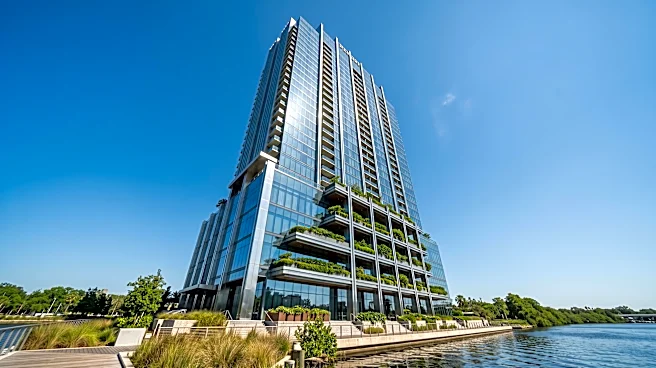
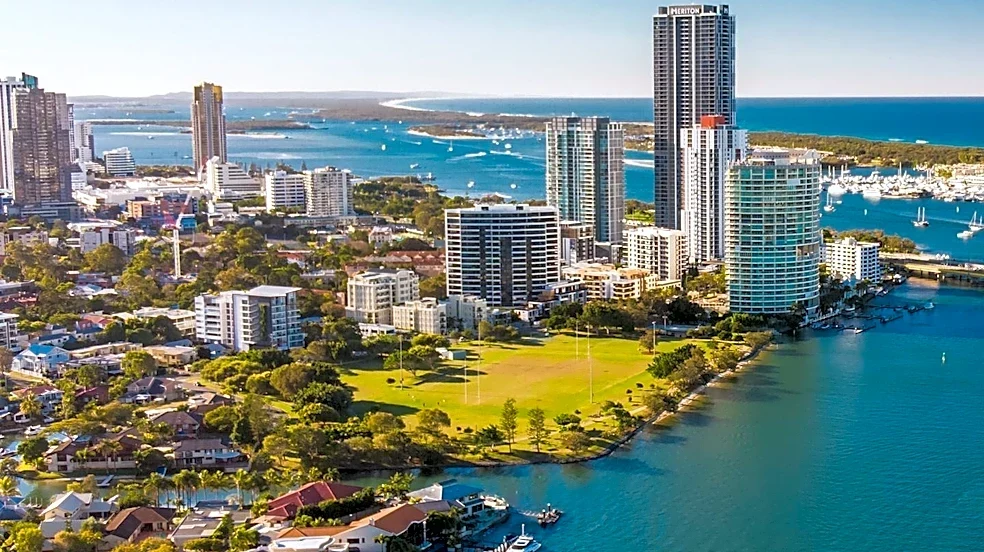
Clearwater, Florida, is witnessing a notable resurgence in both high-end luxury living and walkable urban environments. Areas such as Island Estates and Sand Key are experiencing increased interest in luxury properties, characterized by panoramic water views.
Concurrently, Downtown Clearwater's historic districts are seeing a renewed appeal for urban living, emphasizing walkability. This revitalization extends to the 'Cleveland Street District,' which has transformed into a vibrant hub for dining and entertainment, effectively connecting the residential mainland with the tourist-centric beach zones. The city's unique geography, situated on a peninsula separating the Gulf of Mexico from Tampa Bay, plays a significant role in dictating real estate value, with the 'Islands' commanding premium prices due to their waterfront locations. The city is also part of the larger Tampa Bay Area, alongside Tampa and St. Petersburg, making it a central location for both residents and tourists.
Why It's Important?
This resurgence in Clearwater reflects broader trends in U.S. real estate and lifestyle preferences, indicating a dual demand for exclusive, scenic properties and dynamic, pedestrian-friendly urban centers. The revitalization of Downtown Clearwater and the Cleveland Street District suggests a strategic effort to enhance local infrastructure and amenities, which can attract new residents and businesses, thereby boosting the local economy. The emphasis on walkable urban living aligns with a growing national desire for communities that reduce reliance on personal vehicles and foster a stronger sense of community. For the real estate market, the high demand for luxury properties in areas like Island Estates and Sand Key underscores the continued value placed on waterfront access and scenic views, potentially driving property values and investment in these exclusive locales. This trend also highlights the importance of geographical advantages in shaping regional economic development and lifestyle choices.
What's Next?
The ongoing revitalization efforts in Clearwater are likely to continue, with potential for further development in both luxury residential areas and urban entertainment districts. The success of the Cleveland Street District as a dining and entertainment hub may encourage similar projects in other parts of the city or neighboring communities. As interest in walkable urban living grows, local authorities and developers may focus on enhancing pedestrian infrastructure, public transportation options like the 'SunRunner' bus rapid transit system, and mixed-use developments to cater to this demand. The sustained appeal of high-end waterfront properties could lead to continued investment in luxury housing and related services. Additionally, the city's central position within the Tampa Bay Area suggests it will remain a key destination for tourism, potentially leading to further growth in hospitality and related sectors.
Beyond the Headlines
The dual resurgence in Clearwater—encompassing both luxury waterfront living and walkable urban centers—points to a nuanced evolution in American lifestyle preferences. This trend suggests a desire for both exclusivity and community, where residents seek high-quality living environments that offer both serene natural beauty and vibrant social engagement. The focus on revitalizing downtown areas, such as the Cleveland Street District, also highlights a broader societal shift towards reclaiming and enhancing urban cores, moving away from purely suburban sprawl. This development can foster a more sustainable urban model by promoting walkability and reducing carbon footprints. Furthermore, the economic implications extend beyond real estate, potentially influencing local job markets, cultural institutions, and the overall quality of life for residents. The balance between preserving natural beauty and accommodating urban growth will be a critical ethical and planning consideration for Clearwater's future.