







What's Happening?
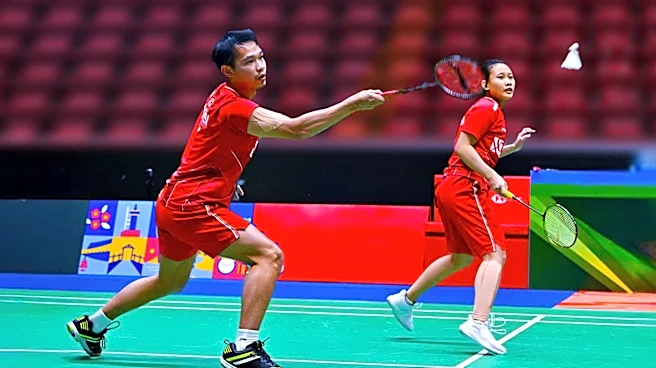
Glasgow has been praised for its pivotal role in revitalizing the Commonwealth Games, stepping in to host the event after the original hosts withdrew. Phil Batty, responsible for delivering the 2026 Games, highlighted Glasgow's efforts in creating a sustainable
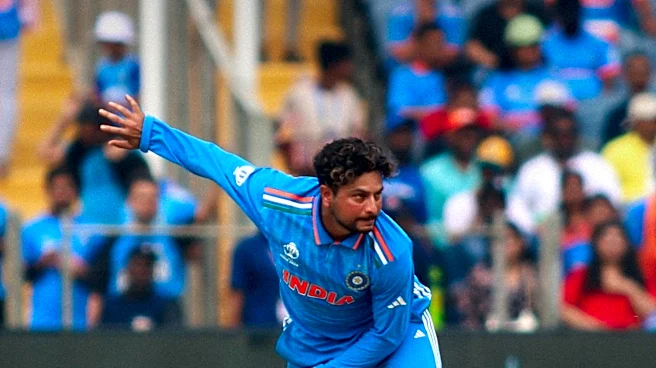
and scaled-back version of the event. The closing ceremony featured a fireworks display over the River Clyde, marking the end of the Games and the ceremonial handover of the Commonwealth flag to Amdavad, India, which will host the centenary event in 2030. Batty emphasized that Glasgow's decision to host the Games for a second time in 12 years has set a precedent for future hosts, inspiring more nations to consider hosting the event.
Why It's Important?
The successful hosting of the Commonwealth Games by Glasgow demonstrates the city's capability to manage large-scale international events, potentially boosting its reputation and economy. This move could encourage other cities to consider hosting similar events, knowing that a sustainable and scaled-back approach is feasible. The Games also serve as a platform for promoting international cooperation and cultural exchange, which can have long-term benefits for participating nations. Additionally, the handover to Amdavad signifies a continuation of the Games' legacy, ensuring its future and encouraging global participation.
What's Next?
With the baton passed to Amdavad, preparations for the 2030 Commonwealth Games are expected to begin, focusing on building infrastructure and organizing logistics to host the centenary event. The success of Glasgow's Games may influence Amdavad's approach, potentially adopting similar sustainable practices. Stakeholders, including government officials and sports organizations, will likely collaborate to ensure the event's success, while also addressing any challenges that may arise during the planning and execution phases.