

What's Happening?
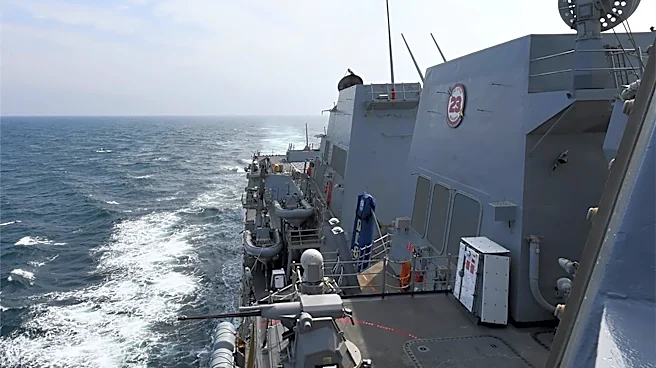
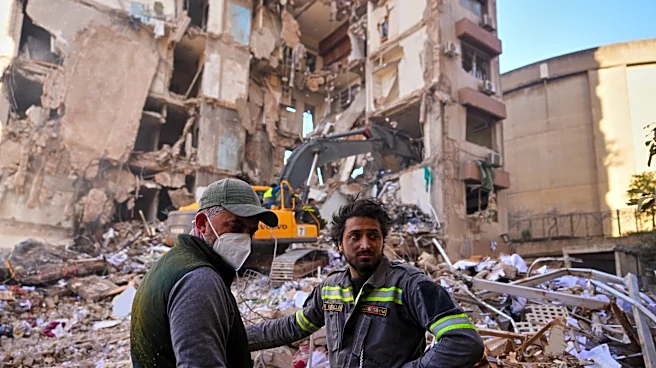
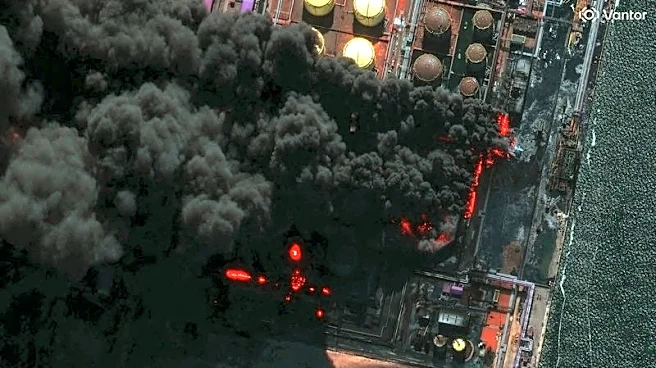
Edward Fishman, Director of the Center for Geoeconomics at the Council on Foreign Relations, has discussed the economic implications of the ongoing conflict in Iran, particularly how it benefits Russian oil interests. The war in Iran has led to increased
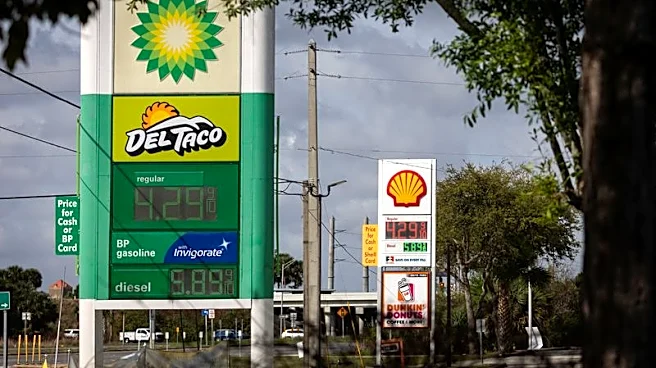
oil prices, which in turn have bolstered Russia's oil revenues. Fishman also noted that this situation could potentially prolong the conflict in Ukraine, as Russia's strengthened economic position might embolden its geopolitical strategies. Additionally, Fishman touched upon the impact of the Iran war on President Trump's tariff policies, suggesting that the global economic instability could influence U.S. trade decisions. The discussion also raised concerns about the possibility of a broader global conflict, given the current geopolitical tensions.
Why It's Important?
The economic ramifications of the Iran conflict are significant, particularly for Russia, which stands to gain from higher oil prices. This development could alter the balance of power in global energy markets, affecting U.S. energy policy and international relations. The potential prolongation of the Ukraine war due to Russia's strengthened position could have serious implications for European security and U.S. foreign policy. Furthermore, the impact on President Trump's tariff policies could influence U.S. trade relations and economic strategies, potentially leading to shifts in international trade dynamics. The broader geopolitical tensions highlighted by Fishman underscore the interconnectedness of global conflicts and their potential to escalate into larger confrontations.
What's Next?
The ongoing situation in Iran and its spillover effects on global oil markets will likely continue to be a focal point for international policymakers. The U.S. may need to reassess its energy and foreign policies in response to these developments. Additionally, the potential for increased geopolitical tensions could prompt diplomatic efforts to mitigate the risk of a broader conflict. Stakeholders in the energy sector will be closely monitoring oil price fluctuations and their impact on global markets. The situation also calls for vigilance from international organizations and governments to address the underlying causes of these conflicts and seek peaceful resolutions.
Beyond the Headlines
The Iran conflict and its economic implications for Russia highlight the complex interplay between geopolitics and global markets. The situation raises ethical questions about the role of energy resources in international conflicts and the responsibilities of nations in managing these dynamics. The potential for a prolonged Ukraine war due to Russia's economic gains underscores the need for comprehensive strategies to address the root causes of such conflicts. Additionally, the impact on U.S. tariff policies suggests a need for careful consideration of trade strategies in the context of global instability. These developments may also influence long-term shifts in energy policy and international relations.