
What's Happening?
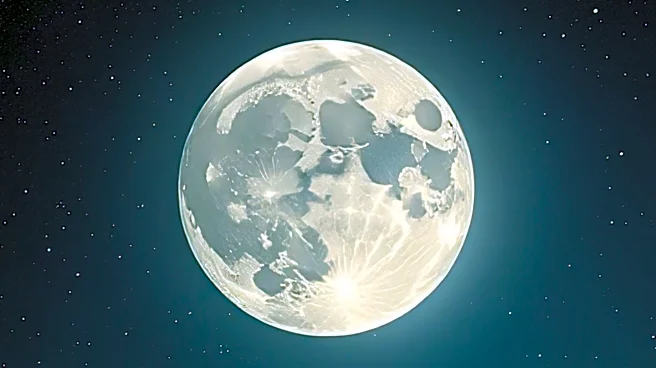
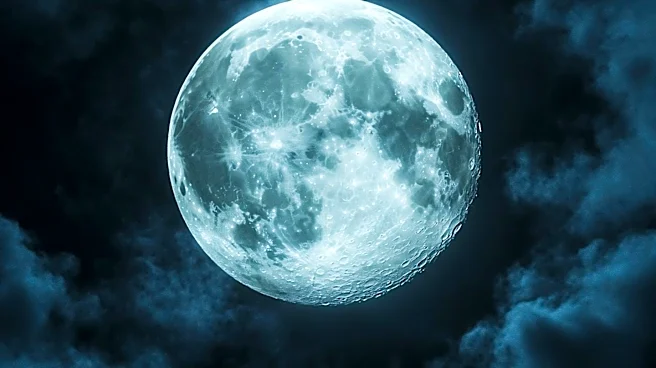
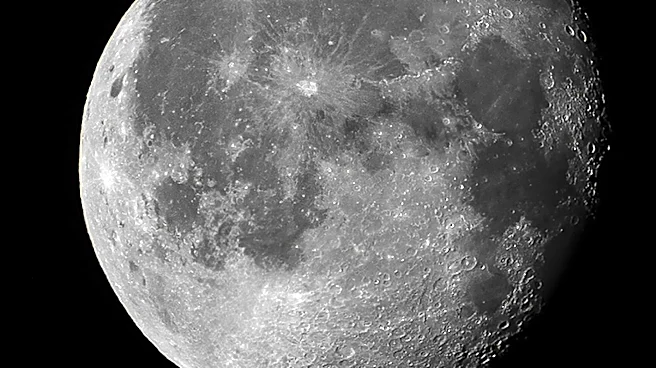
As of July 31, 2026, the Moon is in its Waning Gibbous phase, with 97% of its surface visible. This phase follows the Full Moon and precedes the New Moon, as the Moon gradually loses illumination. During this phase, several lunar features are visible to
the naked eye, including the Mare Tranquillitatis and Copernicus Crater. With binoculars or a telescope, observers can also see additional features such as the Alphonsus Crater and Apollo landing sites. The next Full Moon is expected on August 28, 2026.
Why It's Important?
Understanding the Moon's phases is crucial for various scientific and cultural activities. The Waning Gibbous phase offers opportunities for astronomers and enthusiasts to observe and study lunar features. This knowledge is also significant for planning events and activities that rely on moonlight, such as night-time navigation and certain cultural festivals. Additionally, the Moon's phases have historical importance in timekeeping and calendar systems, influencing agricultural practices and religious observances. Keeping track of these phases helps maintain a connection with natural cycles and supports educational initiatives in astronomy.