





What's Happening?
Researchers have developed new statistical models that precisely determine the optimal bromoform dosage from Asparagopsis seaweed feed additives to mitigate methane emissions in cattle. Published in BMC Agriculture, this meta-analysis compiled raw data
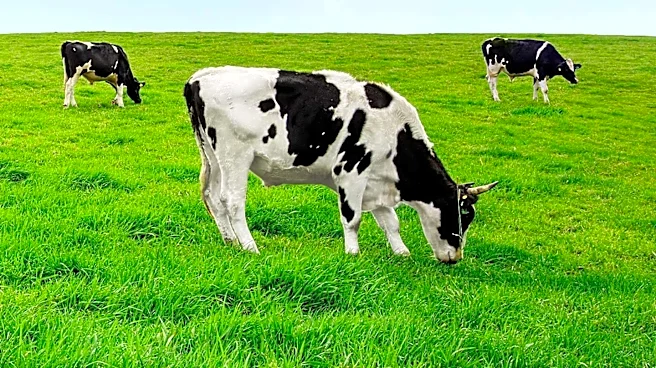
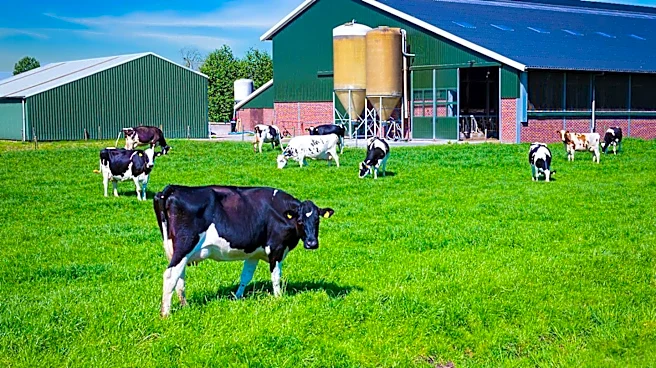
from a decade of cattle trials to address the long-standing question of how much bromoform is needed for effective methane reduction. The study, led by Claire Goloja of Symbrosia Inc. with collaborators including Breanna M. Roque, found a clear point of diminishing returns at 49.81 milligrams of bromoform per kilogram of dry matter intake. Below this threshold, methane yield decreases predictably, but above it, reductions plateau. The models also differentiate responses between beef and dairy cattle, with beef cattle showing greater methane reduction at lower doses. For instance, an average dose of 14.95 mg/kg in beef cattle reduced methane by 34.8%, while 11.25 mg/kg in dairy cows resulted in a 16.9% reduction. The research highlights the importance of bromoform concentration over the total weight of seaweed, as bromoform content can vary significantly between batches.
Why It's Important?
Enteric fermentation from cattle is a significant contributor to greenhouse gas emissions in the United States, accounting for 27.4% of the nation's methane emissions in 2022, a figure that has risen by 5.2% since 1990. Methane is a potent greenhouse gas, with a warming potential 28 times that of carbon dioxide over a century and 84 times over twenty years, making its reduction a critical target for near-term climate action. This study provides a validated, dose-based framework for producers and regulators, enabling more precise and effective methane mitigation strategies. By identifying the optimal bromoform levels, farmers can maximize methane reduction while avoiding unnecessary costs associated with excessive seaweed use. This advancement offers a practical, farm-ready tool to address climate change and improve air quality, as methane also contributes to ground-level ozone formation, which negatively impacts respiratory and cardiovascular health. The ability to predict methane savings based on bromoform dose and routine feed analysis could significantly streamline farm management and environmental compliance efforts.
What's Next?
The study recommends future research prioritize dairy systems, larger sample sizes, and the role of dietary fat as a predictor variable, as dairy models fit the data less tightly than beef models and fat content could not be fully included due to sparse data. As measurement technology for methane emissions continues to advance in accuracy and affordability, these models will serve as an interim bridge, allowing feed managers to dose, predict, and trust the efficacy of Asparagopsis feed additives. The development of more refined measurement techniques will be crucial for large-scale verification and broader adoption of this climate solution. Furthermore, the findings could influence regulatory guidelines for feed additives aimed at reducing livestock emissions, potentially leading to new policies that incentivize or mandate the use of such products to meet climate targets. Continued collaboration between researchers, farmers, and policymakers will be essential to translate these scientific advancements into widespread practical applications.
Beyond the Headlines
This research not only offers a tangible solution for reducing agricultural methane emissions but also underscores the broader scientific challenge of accurately measuring and modeling complex biological processes. The study revealed inconsistencies in methane detection technologies, with respiration chambers yielding higher reduction estimates than other methods. This highlights a critical need for standardized and highly precise measurement instruments to ensure accurate data collection and reliable assessment of mitigation efforts. The ethical implications of altering animal diets for environmental benefits also warrant consideration, ensuring animal welfare remains a top priority. Furthermore, the success of this research could spur innovation in other areas of sustainable agriculture, encouraging the development of natural, feed-based solutions for environmental challenges. The long-term shift towards more sustainable cattle feeding practices could redefine the industry's environmental footprint and contribute significantly to global climate goals, fostering a more environmentally conscious approach to food production.