

What's Happening?
Amid escalating tensions and conflict with Iran, Americans, including residents from New Jersey, find themselves stranded in over a dozen countries across the Middle East. The situation has prompted a scramble for these individuals to return home safely.
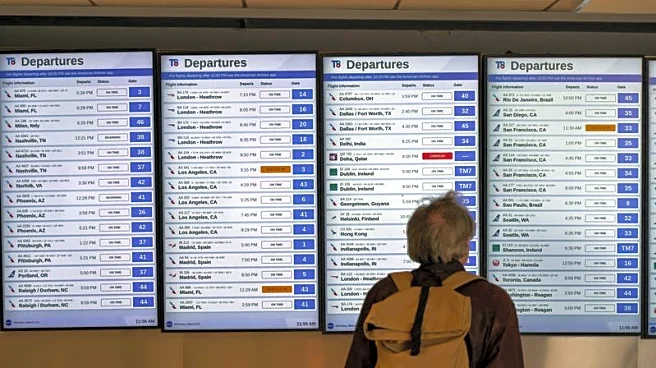
The conflict has intensified, leading to increased travel restrictions and flight cancellations, complicating efforts for those trying to leave the region. CBS News New York's Lisa Rozner reports on the challenges faced by these individuals as they navigate the complexities of international travel during a time of heightened geopolitical tension.
Why It's Important?
The situation highlights the broader implications of international conflicts on American citizens abroad. The inability of U.S. residents to return home due to geopolitical tensions underscores the vulnerability of civilians during international disputes. This development could lead to increased diplomatic efforts by the U.S. government to ensure the safe return of its citizens. Additionally, the situation may impact U.S. foreign policy and military strategy in the region, as the safety of American citizens becomes a priority. The incident also raises questions about the preparedness and response strategies of the U.S. government in protecting its citizens during international crises.
What's Next?
The U.S. government is likely to intensify diplomatic negotiations to facilitate the safe return of its citizens. This may involve coordination with international allies and organizations to secure travel routes and ensure the safety of those stranded. Additionally, there may be increased pressure on airlines and travel agencies to accommodate affected individuals. The situation could also prompt a review of travel advisories and emergency response protocols for Americans abroad. As the conflict continues, the U.S. may also consider adjusting its military and diplomatic strategies in the region to address the evolving security landscape.