







What's Happening?
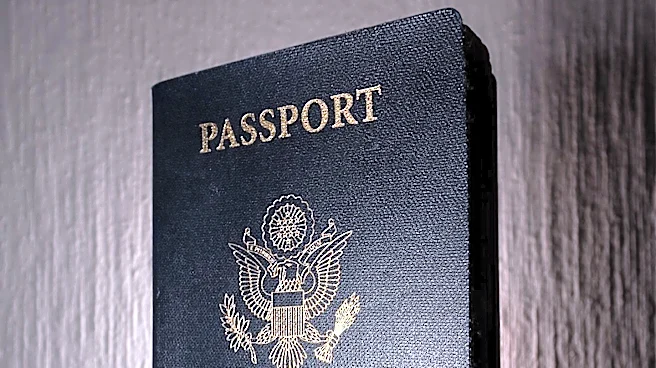
Cruise travel necessitates thorough preparation regarding visa requirements, particularly for itineraries that include or conclude in the United States. Passengers have been denied boarding due to changes in visa regulations or insufficient documentation.
Visa requirements are often dependent on the traveler's nationality, not just the cruise's starting point. For U.S. entry, travelers must ensure they meet all requirements, as previous international travel can impact eligibility for programs like ESTA. It is strongly advised to consult official government travel advice for each country on the itinerary and to re-check these requirements closer to the departure date. While travel agents can flag documentation needs, the ultimate responsibility for securing correct visas lies with the traveler, as cruise lines may not identify missing visas before embarkation.
Why It's Important?
The complexity of international travel regulations, particularly concerning visas for cruise passengers, poses a significant challenge for U.S. travelers and the cruise industry. Incorrect or missing documentation can lead to denied boarding, resulting in substantial financial losses for individuals and potential reputational damage for cruise lines. For the U.S. specifically, stringent entry requirements, including those related to ESTA eligibility, impact a broad range of international visitors. This situation underscores the critical need for proactive and diligent planning by travelers to avoid disruptions. The cruise industry, a significant contributor to the U.S. tourism economy, relies on smooth passenger flow, and any issues with entry requirements can deter potential customers, affecting bookings and revenue. Furthermore, the reliance on third-party travel insurance, which often covers more than just the cruise itself, highlights a broader trend in travel planning where comprehensive protection is increasingly valued over basic coverage offered by cruise lines.
What's Next?
Travelers planning cruises, especially those involving U.S. ports, should prioritize verifying visa and entry requirements well in advance and again shortly before departure. This proactive approach will likely become a standard recommendation from travel agents and cruise operators to mitigate boarding issues. The cruise industry may also increase efforts to educate passengers on these requirements, possibly through more prominent disclaimers or integrated tools during the booking process. For those seeking comprehensive coverage, the trend towards purchasing third-party travel insurance is expected to continue, as these policies offer broader protection for various travel components beyond the cruise itself, such as flights and hotels. This could lead to increased competition among insurance providers to offer more tailored cruise-specific policies that address potential issues like medical evacuation, which can be particularly costly during a cruise.
Beyond the Headlines
The intricate web of international visa regulations for cruise travel points to a larger issue of global mobility and national security concerns. The U.S., like many nations, maintains strict control over its borders, and cruise ships, with their diverse passenger manifests, present unique challenges for immigration and customs. The emphasis on individual responsibility for visa compliance reflects a broader shift where travelers are expected to navigate complex legal frameworks. This situation also highlights the evolving role of travel agents, who, despite providing guidance, cannot fully absolve travelers of their due diligence. The potential for denied boarding due to visa issues can create significant stress and financial burden, underscoring the need for clear, accessible, and up-to-date information from official sources. This also raises questions about the standardization of international travel documents and processes to streamline global tourism while maintaining security.