





What's Happening?
A malaria prevention campaign funded by the Bill & Melinda Gates Foundation, which distributed millions of insecticide-treated mosquito nets across Africa, is facing unintended consequences. While the nets are effective in preventing malaria, some recipients
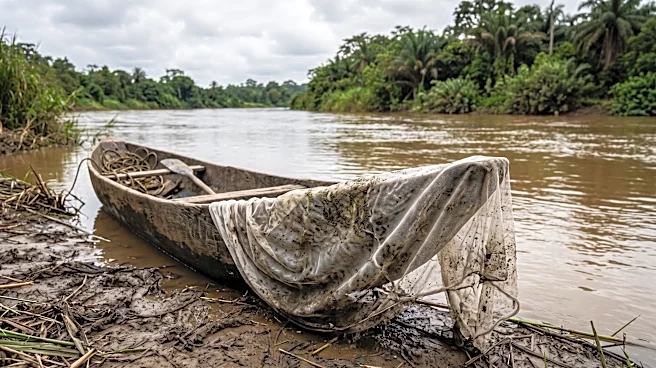
are repurposing them for fishing. This practice is raising significant concerns about food security and the health of aquatic ecosystems. The fine mesh of the mosquito nets can catch juvenile fish and fish eggs, potentially disrupting local food webs and depleting fish populations before they can reproduce. Additionally, the insecticides used to treat the nets, such as permethrin, are highly toxic to fish and could contaminate water sources used by local communities. Many individuals repurpose the nets for fishing due to the unaffordability of conventional fishing gear, highlighting a complex intersection of public health, environmental protection, and economic necessity.
Why It's Important?
This situation underscores the complex challenges of large-scale humanitarian interventions, where solutions to one problem can inadvertently create others. While insecticide-treated nets have proven effective in reducing malaria-related mortality, their misuse for fishing poses a significant threat to the ecological balance of African waterways and the livelihoods of communities dependent on fishing. The depletion of fish stocks can exacerbate food insecurity, creating a new public health crisis. Furthermore, the potential for insecticide contamination of water sources raises concerns about both aquatic life and human health. This issue highlights the need for comprehensive strategies that consider the broader socio-economic and environmental contexts in which aid is delivered, ensuring that interventions are sustainable and do not create new vulnerabilities for recipient communities.
What's Next?
Addressing the unintended consequences of mosquito net distribution will require a multi-faceted approach. Future malaria prevention campaigns may need to incorporate educational initiatives about the proper use of nets and the environmental dangers of repurposing them. There may also be a need to explore alternative, affordable fishing gear solutions for communities where economic hardship drives the misuse of nets. Organizations like the Bill & Melinda Gates Foundation, along with local governments and NGOs, will likely need to collaborate on strategies that balance malaria prevention with environmental protection and food security. This could involve community engagement programs, monitoring of net usage, and research into less environmentally harmful insecticides or alternative malaria prevention methods that do not pose such risks when misused.
Beyond the Headlines
This issue delves into the ethical complexities of global aid and the concept of 'unintended consequences.' It highlights the tension between immediate life-saving interventions and long-term ecological and economic sustainability. The repurposing of nets for fishing is not merely an act of misuse but often a symptom of deeper systemic issues, such as poverty and lack of access to resources. This situation calls for a more holistic approach to development aid, one that integrates public health initiatives with environmental conservation and economic empowerment programs. It also raises questions about the responsibility of aid organizations to anticipate and mitigate such secondary impacts, emphasizing the importance of thorough pre-implementation assessments and ongoing monitoring that considers the full spectrum of potential effects on recipient communities and their environments.