



What's Happening?
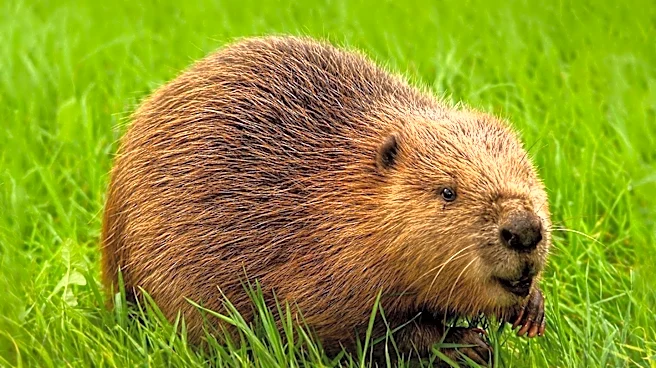
Cunningham Falls State Park in Maryland has been partially closed following two separate incidents of rabid beaver attacks on visitors. The first attack occurred on July 26, when a 13-year-old swimmer was bitten by a beaver that was later confirmed to have
rabies. A second attack happened on August 5, involving a 19-year-old man who was bitten while fishing. In response, the Maryland Department of Natural Resources (NRP) has closed large sections of the park, including its boat ramp, creek, and lake areas, to ensure visitor safety. The park, known for its natural beauty and attracting over 575,000 visitors annually, is under increased surveillance to manage the beaver population and prevent further incidents.
Why It's Important?
The closure of Cunningham Falls State Park highlights the potential public health risks associated with wildlife interactions, particularly when rabies is involved. Rabies is a serious viral disease that can be fatal if not treated promptly, and these incidents underscore the importance of wildlife management and public safety measures in recreational areas. The park's closure affects local tourism and recreational activities, impacting both visitors and the local economy. Additionally, the situation raises awareness about the need for vigilance and preventive measures when interacting with wildlife, even in popular and seemingly safe environments.
What's Next?
Authorities are conducting both nighttime and daytime surveillance to monitor and manage the beaver population in the park. Efforts are underway to remove potentially rabid animals and dismantle beaver lodges to prevent further attacks. The park will remain closed to water-related activities until it is deemed safe for visitors. Public health officials are likely to continue monitoring the situation closely, and further actions may be taken to ensure the safety of park-goers. The incidents may also prompt a review of wildlife management policies in other parks to prevent similar occurrences.