



What's Happening?
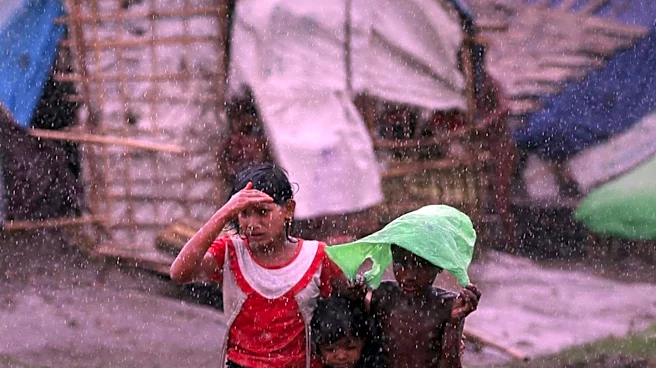
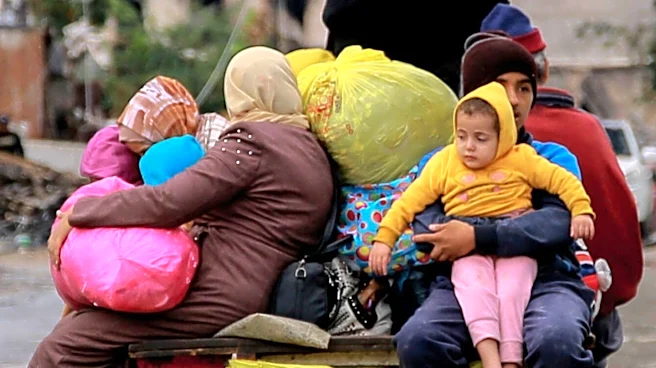
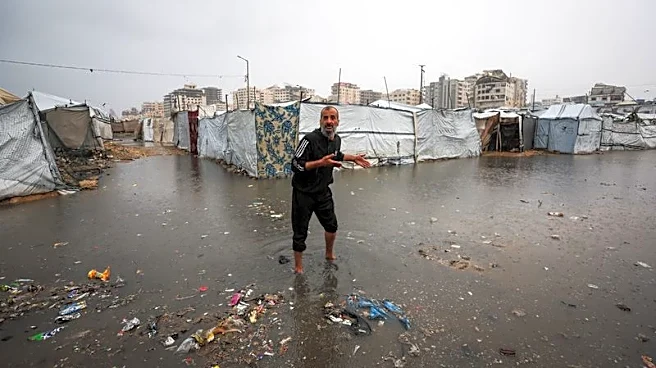
Gaza is experiencing a severe humanitarian crisis exacerbated by heavy rains and storms, which have flooded tens of thousands of tents, displacing families and destroying their limited belongings. Nearly 1 million displaced people are at risk of flooding
as winter sets in, with many living in overcrowded camps, torn tents, or bomb-damaged buildings offering minimal protection. Local emergency reports indicate that approximately 70,000 worn-out tents were flooded in the initial rainstorm, leading to collapsed walls and roofs. The Israeli blockade continues to restrict the entry of essential winter supplies, including durable shelter materials, medical supplies, and fuel for generators. This has left Gaza's electricity supply cut off, making people reliant on generators, but fuel restrictions make their operation nearly impossible. The price of engine oil for generators has surged, and about 70% of hospital generators are currently non-operational. Aid workers anticipate a rise in illnesses, particularly among vulnerable groups like children and the elderly, who lack access to adequate healthcare.
Why It's Important?
The ongoing humanitarian crisis in Gaza, intensified by winter floods and persistent aid restrictions, poses an immediate and severe threat to the lives and well-being of hundreds of thousands of displaced Palestinians. The lack of adequate shelter, heating, and medical supplies creates conditions ripe for widespread illness, hypothermia, and further fatalities, especially among children. The inability to access fuel for generators cripples essential services, including healthcare and sanitation, pushing an already fragile infrastructure to the brink of collapse. The restrictions on aid entry, particularly for construction and winterization materials, directly impede humanitarian efforts and prevent families from rebuilding or securing safe shelter. This situation highlights the critical need for unhindered humanitarian access and the urgent provision of basic necessities, as the current conditions are unsustainable and violate fundamental human rights. The international community's response to these challenges will determine the extent of suffering and potential loss of life in the coming months.
What's Next?
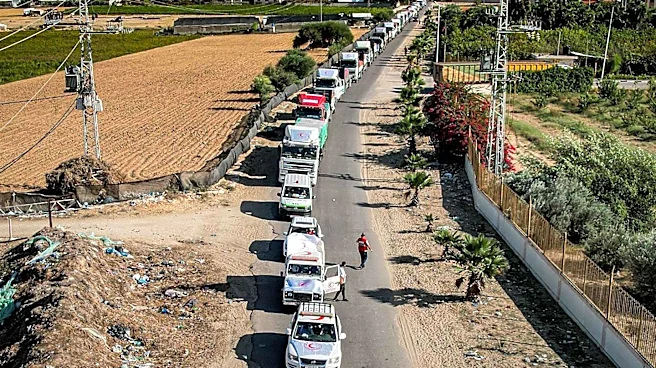
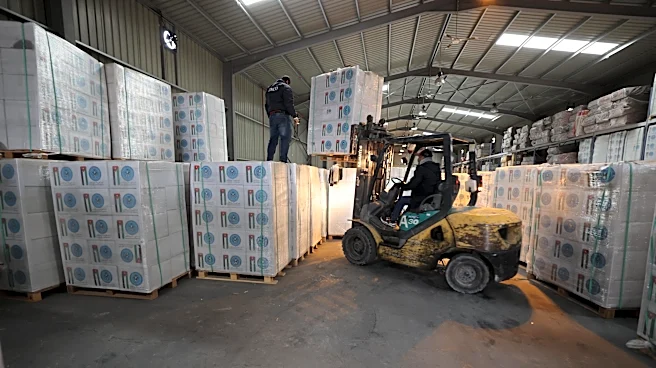
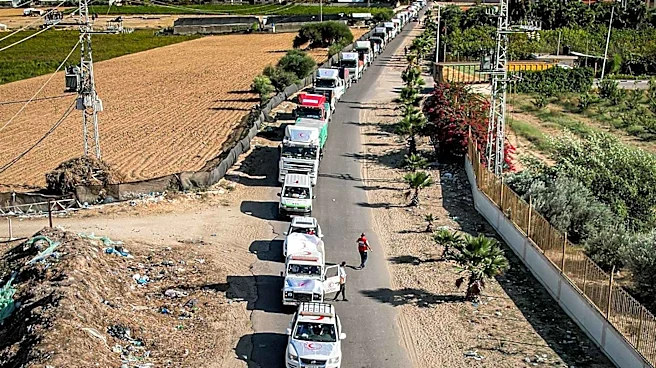
Humanitarian organizations, including Islamic Relief, have launched winter appeals to provide assistance, but significantly more aid is required. The Palestinian presidency and a Palestinian church committee have urged the UN Security Council and churches worldwide, respectively, to take immediate action. They are calling for the opening of all border crossings to allow unrestricted entry of humanitarian aid, fuel, medicines, tents, and winter supplies, prioritizing children, infants, the elderly, and the sick. There is also a call for international pressure on Israeli authorities to cease impeding aid and to ensure accountability for any resulting child deaths. The UN-coordinated Shelter Cluster reports that 60% of the $283 million needed for winter preparedness remains unfunded, indicating a significant gap in resources. The immediate future will likely see continued advocacy for increased aid, pressure on international bodies to facilitate access, and efforts by aid organizations to provide emergency relief under extremely challenging circumstances.
Beyond the Headlines
The crisis in Gaza extends beyond immediate humanitarian needs, touching upon deeper issues of international law, accountability, and the long-term viability of life in the territory. The repeated blocking of essential supplies, despite a ceasefire, raises questions about the effectiveness of international agreements and the responsibilities of occupying powers. The destruction of homes and infrastructure, coupled with the confinement of nearly 2.1 million people into a small percentage of the land, points to a systemic issue of displacement and lack of safe living conditions. The call for protection of places of worship and the emphasis on defending Palestinians' rights to life, freedom, and dignity underscore the cultural and existential dimensions of the conflict. The situation also highlights the broader geopolitical context, where humanitarian concerns are intertwined with political disputes and security considerations. The long-term implications include potential demographic shifts, increased radicalization due to prolonged suffering, and a further erosion of trust in international institutions if effective solutions are not found.