






What's Happening?
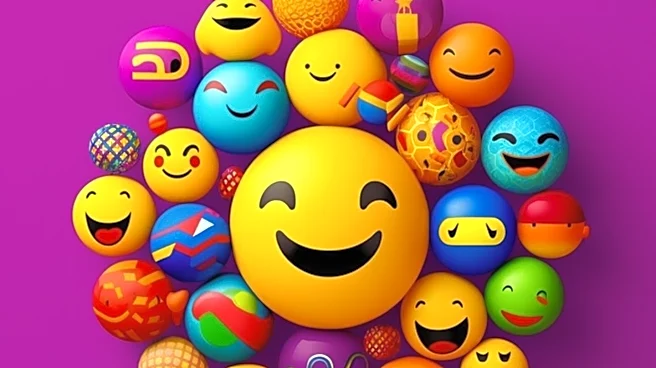
The Unicode Consortium has introduced a new set of emoji as part of Unicode 17.0, which includes eight new symbols such as a distorted face and an orca. These additions were made available to users in March through updates to iOS 26.4 and Samsung's One
UI 8.5. The Unicode Consortium, responsible for approving new emoji, typically releases updates annually, with new emoji appearing on devices the following spring. Emojipedia, an online resource for emoji meanings, provides detailed descriptions and usage contexts for each emoji, helping users navigate the evolving language of digital symbols. The site also offers tools for creating custom emoji, such as an AI emoji generator and an Emoji Mashup Bot.
Why It's Important?
The introduction of new emoji by the Unicode Consortium reflects the ongoing evolution of digital communication. Emoji have become a significant part of online interaction, allowing users to convey emotions and ideas succinctly. The addition of new symbols expands the range of expression available to users, catering to diverse cultural and social contexts. This development is particularly relevant for tech companies and app developers, as it influences user engagement and platform compatibility. The annual updates ensure that digital communication tools remain relevant and responsive to changing user needs and cultural trends.
What's Next?
The Unicode Consortium has proposed nine additional emoji, including a pickle and a monarch butterfly, which are expected to be approved and released in 2027. As the consortium continues to evaluate new submissions, users can anticipate further expansions to the emoji library. This ongoing process highlights the dynamic nature of digital communication and the importance of staying current with technological advancements. Tech companies will need to update their platforms to support these new symbols, ensuring seamless user experiences across devices.
Beyond the Headlines
The expansion of emoji highlights broader cultural and linguistic shifts in digital communication. As emoji become more nuanced and varied, they challenge traditional notions of language and expression. This evolution raises questions about the role of visual symbols in communication and their impact on literacy and language development. Additionally, the creation of custom emoji tools reflects a growing demand for personalization in digital interactions, allowing users to tailor their communication to specific contexts and audiences.