








What's Happening?
The U.S. Department of Labor reported a significant drop in unemployment claims, with only 187,000 applications filed in the week ending July 18, marking the lowest level since September 1969. This decrease of 22,000 from the previous week indicates a robust
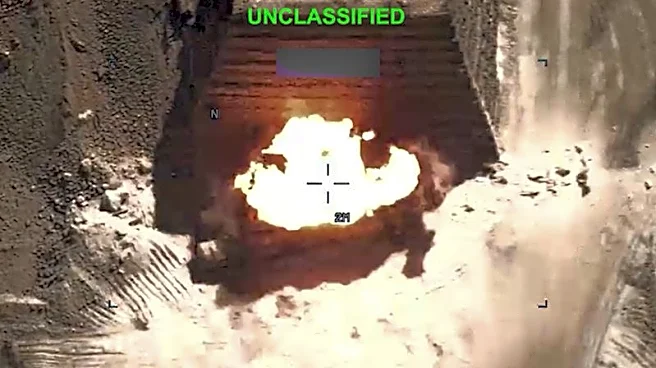
job market despite global economic challenges, including surging oil prices due to the U.S.'s military actions in Iran. Analysts had predicted 215,000 new applications, but the actual figures fell well below expectations. The current job market remains resilient, with layoffs at historically low levels. However, the ongoing conflict and rising energy costs pose potential risks to this stability. The recent surge in oil prices, with U.S. crude reaching over $91 per barrel, and gas prices exceeding $4 per gallon, could pressure businesses, particularly those reliant on fuel, to cut costs, potentially affecting employment rates.
Why It's Important?
The decline in unemployment claims highlights the strength of the U.S. labor market, which is crucial for economic stability. A healthy job market supports consumer spending, a key driver of economic growth. However, the geopolitical tensions and rising energy costs could undermine this stability, leading to potential job cuts if businesses are forced to reduce expenses. The situation underscores the delicate balance between maintaining economic growth and managing external economic pressures. The labor market's resilience is a positive indicator, but the potential for prolonged conflict and sustained high energy prices could challenge this outlook, affecting both businesses and consumers.
What's Next?
If the conflict in Iran continues and energy prices remain high, businesses may face increased pressure to manage costs, potentially leading to layoffs. Policymakers will need to monitor these developments closely and consider measures to support the economy, such as energy subsidies or incentives for businesses to maintain employment levels. The labor market's response to these challenges will be critical in determining the broader economic impact. Continued monitoring of unemployment claims and job market trends will provide insights into the economy's resilience and the effectiveness of any policy interventions.