
What's Happening?
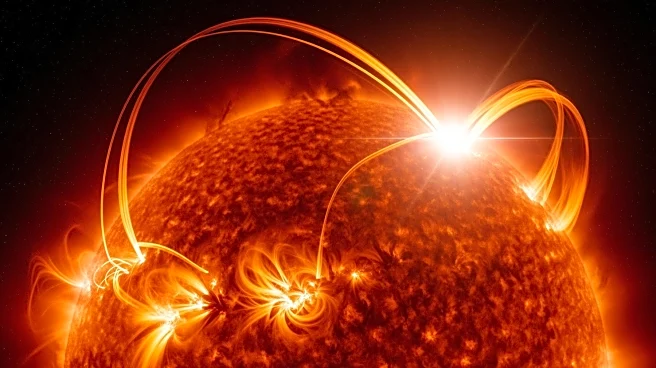
A significant solar radiation storm, the strongest in over two decades, struck Earth on January 18-19, 2026. This event was marked by an intense X-class solar flare, the most powerful in 23 years, which
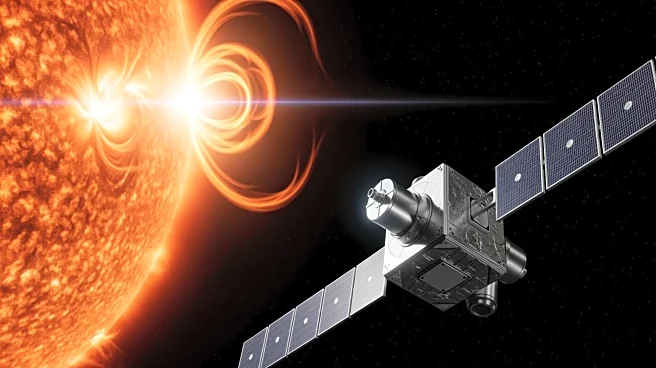
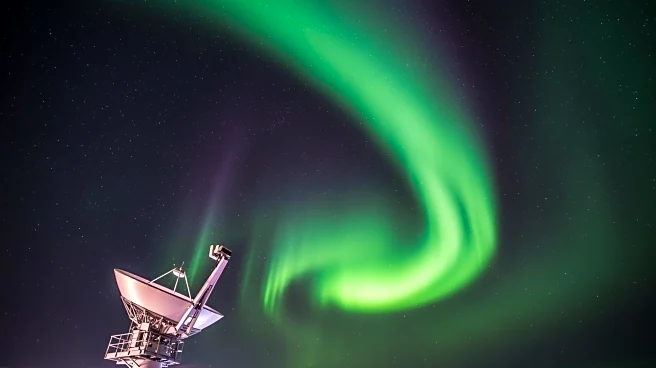
resulted in a fast coronal mass ejection (CME) impacting Earth's magnetic field. The storm reached a G4, or 'severe', level on the geomagnetic scale, according to the US National Oceanic and Atmospheric Administration's Space Weather Prediction Center. The solar storm has disrupted GPS and navigation systems, affected satellite operations, and posed risks to astronauts and airline passengers. The storm also triggered stunning auroral displays, known as the Northern Lights, visible far beyond their usual polar regions, including sightings as far south as Southern California.
Why It's Important?
The solar storm's impact on GPS and navigation systems highlights the vulnerability of modern technology to space weather events. Disruptions in satellite operations can have significant implications for industries reliant on precise positioning and timing, such as aviation, telecommunications, and logistics. The increased exposure risks for astronauts and airline passengers underscore the need for enhanced safety protocols during such events. Additionally, the widespread visibility of the Northern Lights serves as a reminder of the interconnectedness of Earth's systems and the influence of solar activity on our planet. This event emphasizes the importance of continued research and monitoring of solar activity to mitigate potential disruptions and protect critical infrastructure.
What's Next?
In response to the solar storm, key organizations, including airlines, NASA, and emergency management authorities, have been alerted to prepare for potential impacts. Ongoing monitoring of solar activity will be crucial to anticipate future events and implement preventive measures. The scientific community is likely to increase efforts to study the sun's behavior, particularly as it moves through the active phase of Solar Cycle 25. This research could lead to improved forecasting models and strategies to safeguard technology and human activities from the effects of solar storms.
Beyond the Headlines
The solar storm's impact extends beyond immediate technological disruptions, highlighting broader implications for space weather research and public awareness. The event underscores the need for international collaboration in space weather monitoring and response, as solar storms can affect multiple regions simultaneously. Additionally, the increased visibility of the Northern Lights may spark public interest in space phenomena, potentially leading to greater support for scientific initiatives. The event also raises questions about the resilience of global infrastructure in the face of natural space events, prompting discussions on investment in protective technologies and systems.