

What's Happening?
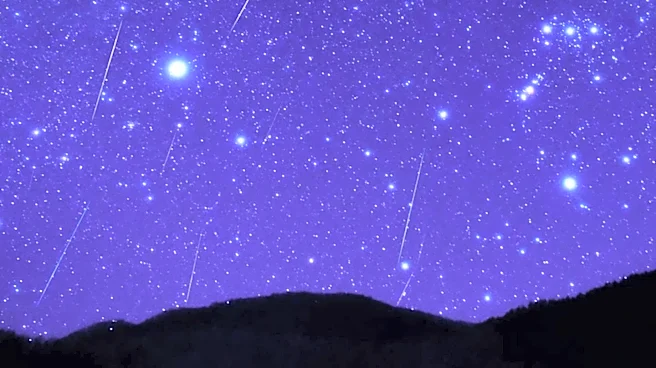
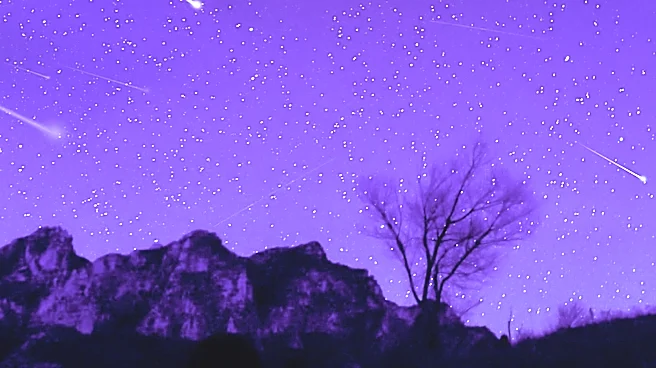
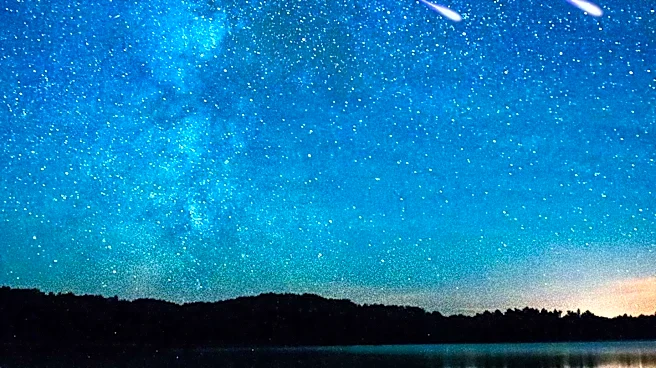
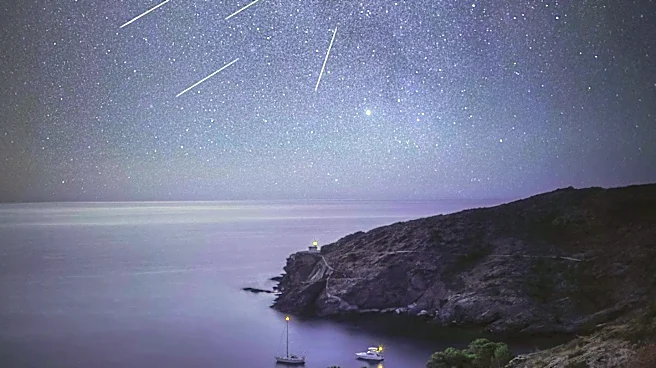
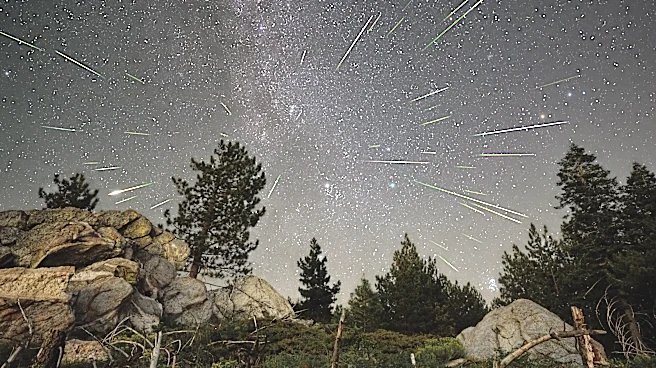
The Perseid meteor shower, considered one of the best annual meteor displays, is set to peak on the night of August 12-13. This meteor shower is known for its bright meteors and fireballs, with up to 100 meteors visible per hour under optimal conditions.
The Perseids originate from debris left by Comet 109P/Swift-Tuttle. Viewing conditions are expected to be favorable due to the new moon phase, which minimizes moonlight interference. The best viewing times are during the predawn hours, although meteors can be seen as early as 10 p.m.
Why It's Important?
The Perseid meteor shower is a popular event for both amateur astronomers and the general public, offering a spectacular natural display. It provides an opportunity for educational outreach and community engagement, as people gather to observe the night sky. The event also highlights the importance of preserving dark skies, free from light pollution, to fully appreciate such celestial phenomena. Additionally, it fosters interest in astronomy and space science, potentially inspiring future generations of scientists and researchers.
What's Next?
As the Perseid meteor shower concludes, attention will shift to other upcoming astronomical events. Observatories and astronomy clubs may continue to host viewing events and educational programs to maintain public interest. Efforts to reduce light pollution and promote dark sky initiatives may gain momentum, supported by the increased awareness generated by such events. The next major meteor shower, the Geminids, will occur in December, providing another opportunity for skywatching enthusiasts.