







What's Happening?
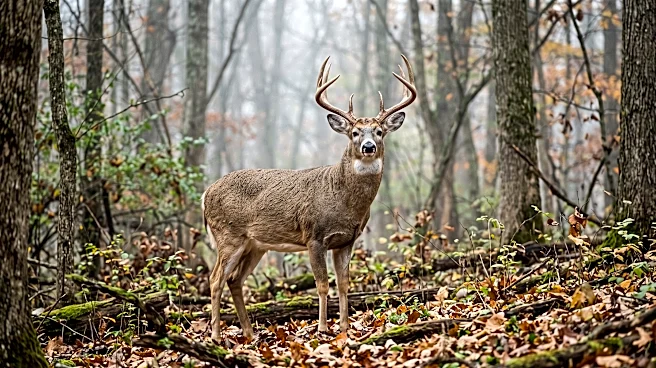
The Kentucky Department of Fish and Wildlife Resources (KDFWR) has announced that the modern gun deer hunting season will open on Saturday, November 14, 2026, and run through Sunday, November 29. This 16-day period is annually Kentucky's largest hunting season,
despite archery and crossbow seasons having commenced in September. Kentucky boasts strong deer populations across the state, with hunters reporting over 145,000 deer harvested last year, a slight decrease from nearly 150,000 in 2024-2025. The modern gun season typically accounts for the majority of deer harvested. Ben Robinson, director of the Wildlife Division for the KDFWR, anticipates a strong harvest statewide, even with the season opening later than usual in 2026. The department encourages hunters to harvest more does, particularly in Zone 1 and 2 counties, to improve overall herd health and maintain a balanced buck-to-doe ratio.
Why It's Important?
The opening of Kentucky's modern gun deer season is a significant annual event with broad implications for wildlife management, conservation funding, and local economies in the U.S. The substantial deer harvest numbers underscore the importance of hunting as a primary tool for managing deer populations, preventing overpopulation that can lead to ecological damage, agricultural conflicts, and increased vehicle collisions. Revenue generated from hunting licenses and permits directly supports KDFWR's conservation efforts, habitat restoration, and wildlife research, benefiting a wide array of species beyond deer. Economically, the season brings a considerable boost to rural communities through spending on gear, lodging, food, and fuel. The emphasis on harvesting does is crucial for maintaining healthy deer populations, ensuring a more intense rut, and improving fawn recruitment, which are vital for the long-term sustainability of the herd and the hunting tradition itself.
What's Next?
Hunters participating in the modern gun deer season must adhere to specific regulations, including obtaining appropriate licenses and permits. Kentucky is divided into four deer zones, each with different method-of-take restrictions and antlerless deer harvest limits; however, only one buck per year is allowed statewide. Hunters are required to fill out a harvest log immediately upon recovery of a deer and report each harvest to the KDFWR by midnight of the harvest day. Special restrictions apply in Chronic Wasting Disease (CWD) Surveillance Zones, including carcass transportation and baiting limitations, with mandatory check-ins for harvested deer in specific counties during the first three days of the season. Valid hunter education certification is required for those born in 1975 or later, with a one-year exemption permit available for new hunters accompanied by a certified adult. Hunters are also encouraged to submit samples for CWD testing to enter a giveaway and to donate venison to organizations like Kentucky Hunters for the Hungry.
Beyond the Headlines
Beyond the immediate hunting season, the KDFWR's management strategies reflect a sophisticated approach to ecological balance and public health. The focus on CWD surveillance highlights the ongoing national challenge of managing wildlife diseases and preventing their spread, which has significant implications for both animal welfare and potential human health. The encouragement of venison donation services underscores the role of hunting in addressing food insecurity, connecting conservation efforts with community welfare. This initiative also touches upon the ethical considerations of wildlife management, balancing recreational pursuits with the health and sustainability of animal populations. The long-term success of these programs relies on continuous scientific research, adaptive management practices, and strong public engagement, ensuring that Kentucky's deer populations remain robust and healthy for future generations while supporting the state's hunting heritage.