





What's Happening?
A United Nations report has revealed that foreign suppliers have significantly enhanced the drone capabilities of both the Sudanese Armed Forces (SAF) and the paramilitary Rapid Support Forces (RSF). This external support has enabled the warring factions
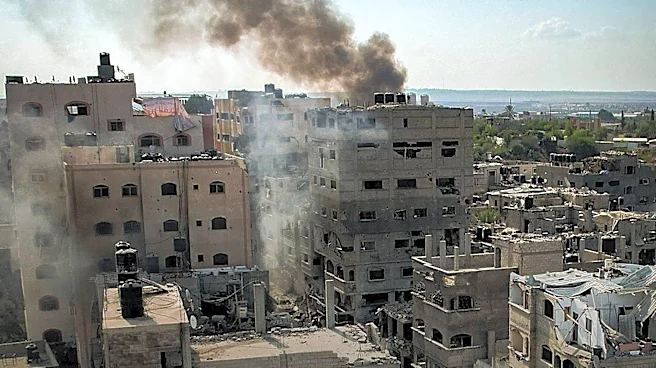
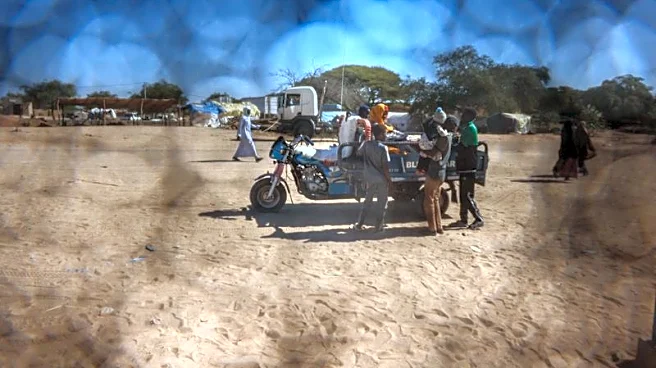
to conduct increasingly sophisticated operations, extending their reach far beyond traditional front lines. The UN Independent International Fact-Finding Mission for the Sudan documented that foreign recruitment, weapons transfers, and logistical networks operating across several countries are strengthening the military capabilities of both sides. The report specifically noted the deployment of up to 2,000 former Colombian military contractors directly involved with RSF units in Darfur and Kordofan, operating combat drones, artillery, and other advanced weapons. Furthermore, the UN found reasonable grounds to believe that the SAF has used foreign-supplied drones in military operations that have harmed civilians and civilian objects. Mohamad Chande Othman, chair of the Fact-Finding Mission, emphasized that civilians are bearing the brunt of this external support through attacks on homes, hospitals, schools, markets, and places of refuge. The conflict, which began in April 2023, continues to cause widespread devastation.
Why It's Important?
The findings of the UN report underscore a critical escalation in the Sudanese conflict, driven by external actors. The enhanced drone capabilities allow for more precise and far-reaching attacks, increasing the lethality and scope of the war. This external involvement prolongs the conflict and exacerbates the humanitarian crisis, which is already one of the worst globally. The use of foreign contractors and advanced weaponry signifies a shift towards a more complex and internationally influenced proxy war, making resolution more challenging. Civilians are disproportionately affected, facing increased risks of harm and displacement as the conflict becomes more sophisticated. The report also highlights the failure of existing international mechanisms, such as the arms embargo on Darfur, to prevent the flow of weapons and personnel into the region. This situation poses a significant challenge to international peace and security efforts, as it demonstrates how external support can undermine attempts to de-escalate conflicts and protect civilian populations.
What's Next?
The UN Fact-Finding Mission has called for immediate action, urging states connected to the supply chains to investigate and disrupt illicit mercenary and weapons networks operating from or through their territories. They also recommend preventing transfers that could contribute to serious violations of international law. The mission has specifically called for the enforcement of the existing UN arms embargo on Darfur and urged the UN Security Council to extend these restrictions to the whole of Sudan. Additionally, investigators have called for probes into individuals and entities involved in these illicit support networks. The United States is actively pressing for a UN-wide arms embargo on Sudan, expanding the existing Darfur-only measure, which is set to expire on September 12. However, this proposal faces opposition from Sudan's army-backed government, as well as China and Russia, both of whom hold veto power in the Security Council. The international community's response to these calls for action will be crucial in determining the future trajectory of the conflict and the protection of civilians.
Beyond the Headlines
The report's revelations point to deeper implications regarding the global arms trade and the role of private military contractors in contemporary conflicts. The involvement of transnational networks in recruiting, training, and deploying foreign personnel, alongside facilitating weapons transfers, highlights a complex web of actors operating beyond traditional state control. This raises significant ethical and legal questions about accountability for war crimes and human rights violations when non-state actors and foreign entities are deeply embedded in a conflict. The identification of transit points in various countries, including Somalia's Bosaso, underscores the porous nature of international borders and the challenges in monitoring and controlling illicit flows of arms and personnel. This situation could set a dangerous precedent for other conflicts, where external actors can fuel violence with advanced weaponry and personnel, making it harder to achieve lasting peace and stability. The lack of effective enforcement of existing embargoes also signals a broader systemic issue in international efforts to prevent conflict escalation.